Skip to Content
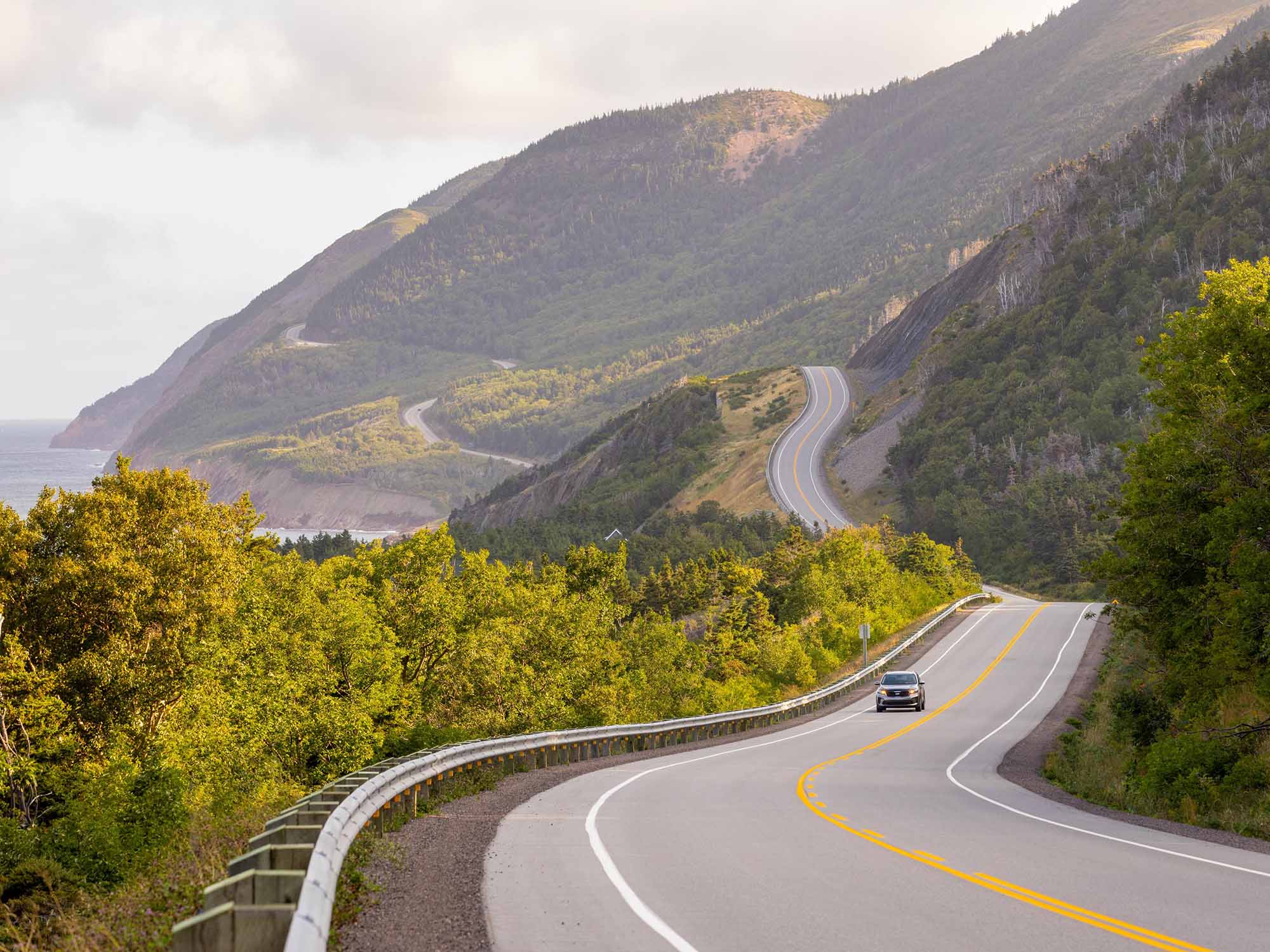
A car driving on the west side of the Cabot Trail within the Cape Breton Highlands National Park in the summertime in Cape Breton, Nova Scotia

8 min Read

What is the best way to travel around the Cabot Trail? Clockwise or counter-clockwise?

This question has been asked countless times and depending on who you ask, there are countless answers.

The truth is – BOTH ways are amazing!

But that really doesn’t help someone who is looking for hidden gems, photo spots, top hiking trails, and more while planning their trip around the Cabot Trail… and it also doesn’t answer other frequently asked questions, such as:

Which way is the best way to get to the Cabot Trail? What are the “don’t miss” and recommended stops, attractions, places to eat, etc. along the Cabot Trail?

You’ve asked us… so WE’VE asked fellow Nova Scotians what their top recommendations are for someone looking to experience the best of Cape Breton Island’s famous Cabot Trail. We’ve also compiled a list of “Frequently Asked Questions” in addition to our suggestions to help you plan your trip around the Cabot Trail.
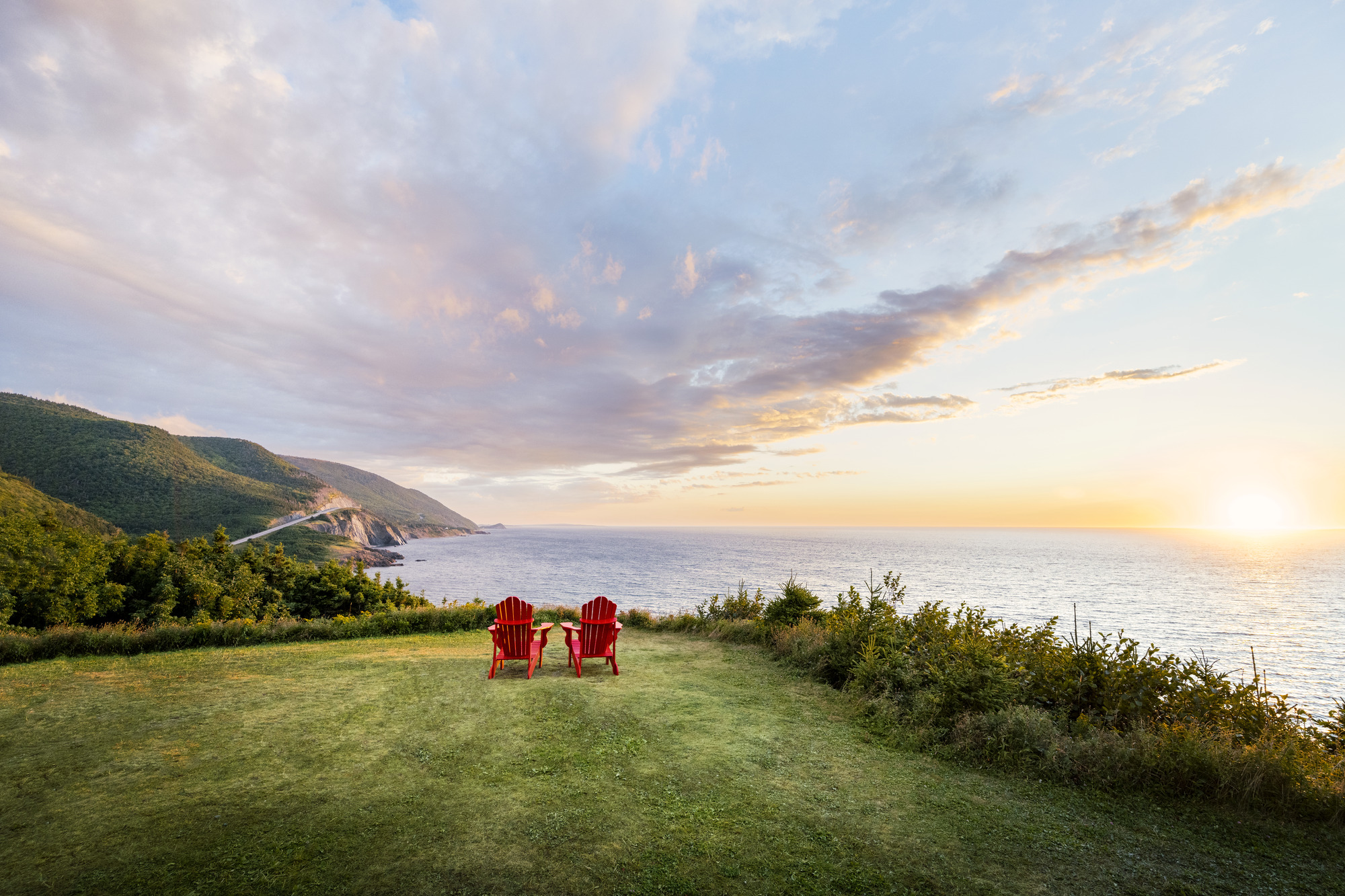
A view of the western coastline from Cap Rouge, Cape Breton Highlands National Park, Cape Breton Island
Sunset from the Cabot Trail

Local Recommendations

What is the best way to travel around the Cabot Trail? Clockwise or counter-clockwise?

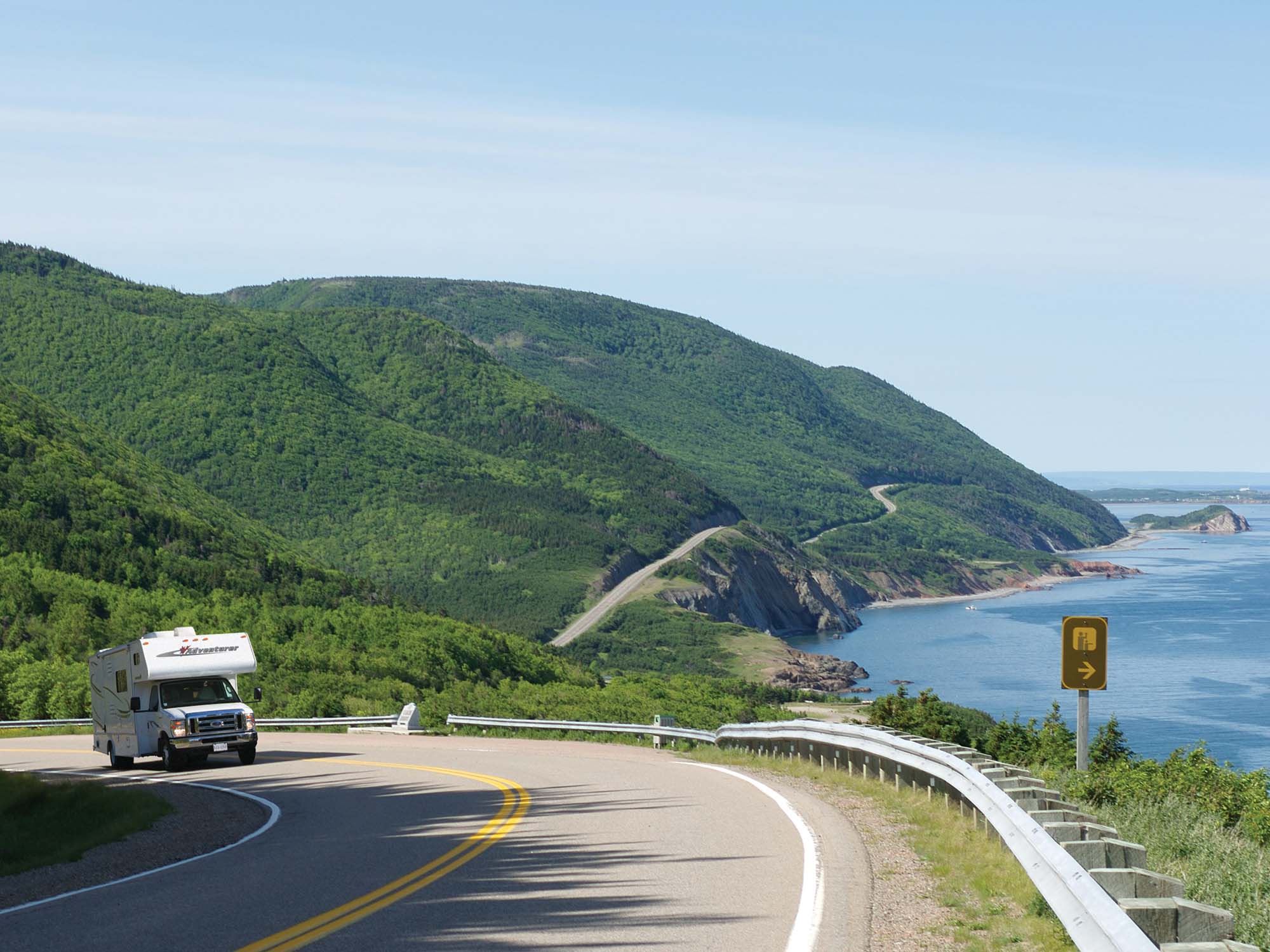
An RV Camper driving clockwise on the Cabot Trail between Cheticamp and Eel Brook in Nova Scotia.

“I prefer counter-clockwise unless you are driving in a larger vehicle such as in RV or towing a camper/5th wheel…”


“… as clockwise makes the climbs easier. Also, driving counter-clockwise can be a bit daunting for those that are scared of heights… but perhaps easier on the driver if they are the one who doesn’t like heights!”
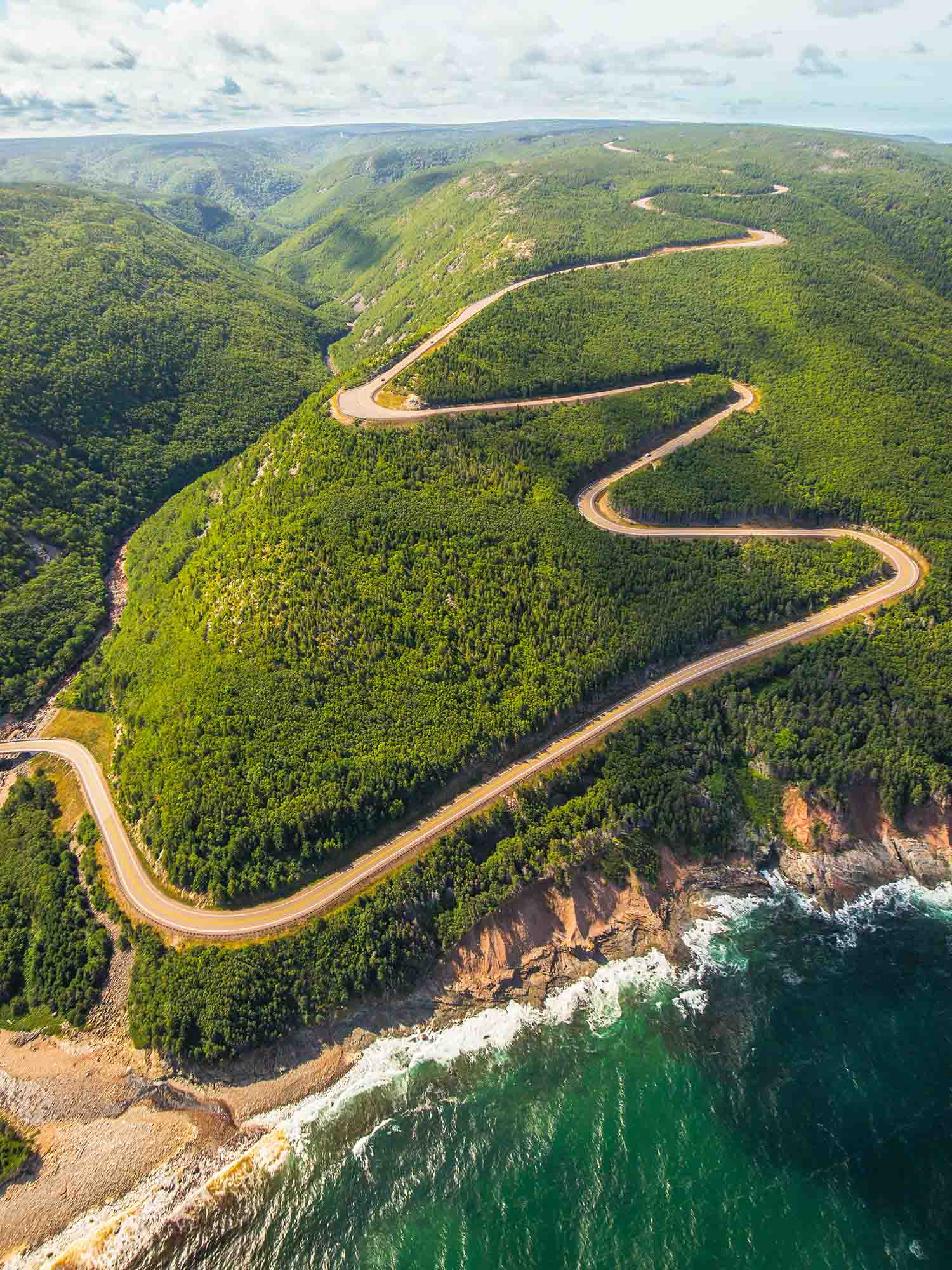
View of the Cabot Trail on the side of Cape Smokey Mountain near Ingonish in the Cape Breton Highlands in Nova Scotia
Cape Smokey

“Honestly, I really don’t think there is a wrong way to travel the Cabot Trail.”


“I love driving clockwise for the beautiful views – some of my favourites being between Margaree and the National Park entrance just past Chéticamp. The views from a few look-offs – especially the pull-off with the view that overlooks Pleasant Bay – are breathtaking! I love driving DOWN Cape Smokey too – hang on tight, take your time, and enjoy the ride.”
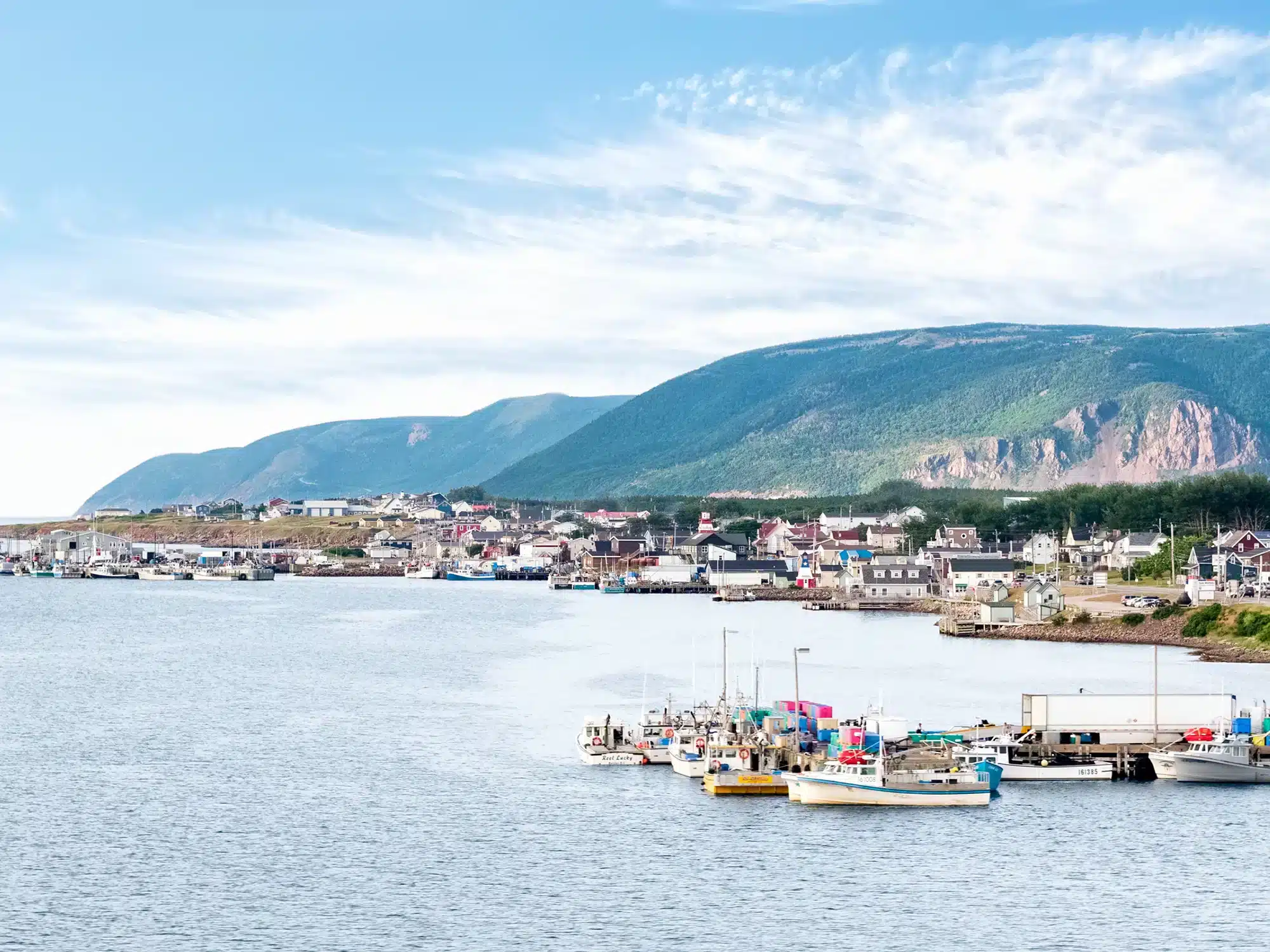
Drone view over the Acadian village of Cheticamp at the west entrance to the Cape Breton Highlands National Park on the Cabot Trail in Nova Scotia
Chéticamp

“Both ways provide great scenery and a number of spots to pull over and…”


“… enjoy walking/hiking trails, views from the look-offs, and the numerous coastal villages along the route. The direction the traveler takes around the Cabot Trail may depend on what they plan to see prior to their trip – such as experiencing the Acadian charm and culture of Chéticamp or the Scottish roots and traditions in Cape Breton which would lead to a visit at the St. Ann’s Gaelic College near Baddeck.”

Sunset at Glenora Distillery & Inn near Inverness, Nova Scotia
Glenora Distillery

“You can also start or finish the Cabot Trail via the Ceilidh Trail (Route 19)…”


“… from the Canso Causeway at the entrance to Cape Breton Island. This way, you will follow the coastline all the way to/from Margaree Forks (where Route 19 meets the Cabot Trail), passing through some picture perfect communities like Port Hood, Mabou, and Inverness with attractions such as Cabot Links and Cabot Cliffs golf courses, Glenora Distillery, The Red Shoe Pub, Celtic Music Interpretive Centre, beautiful beaches, and sunsets over the ocean.”
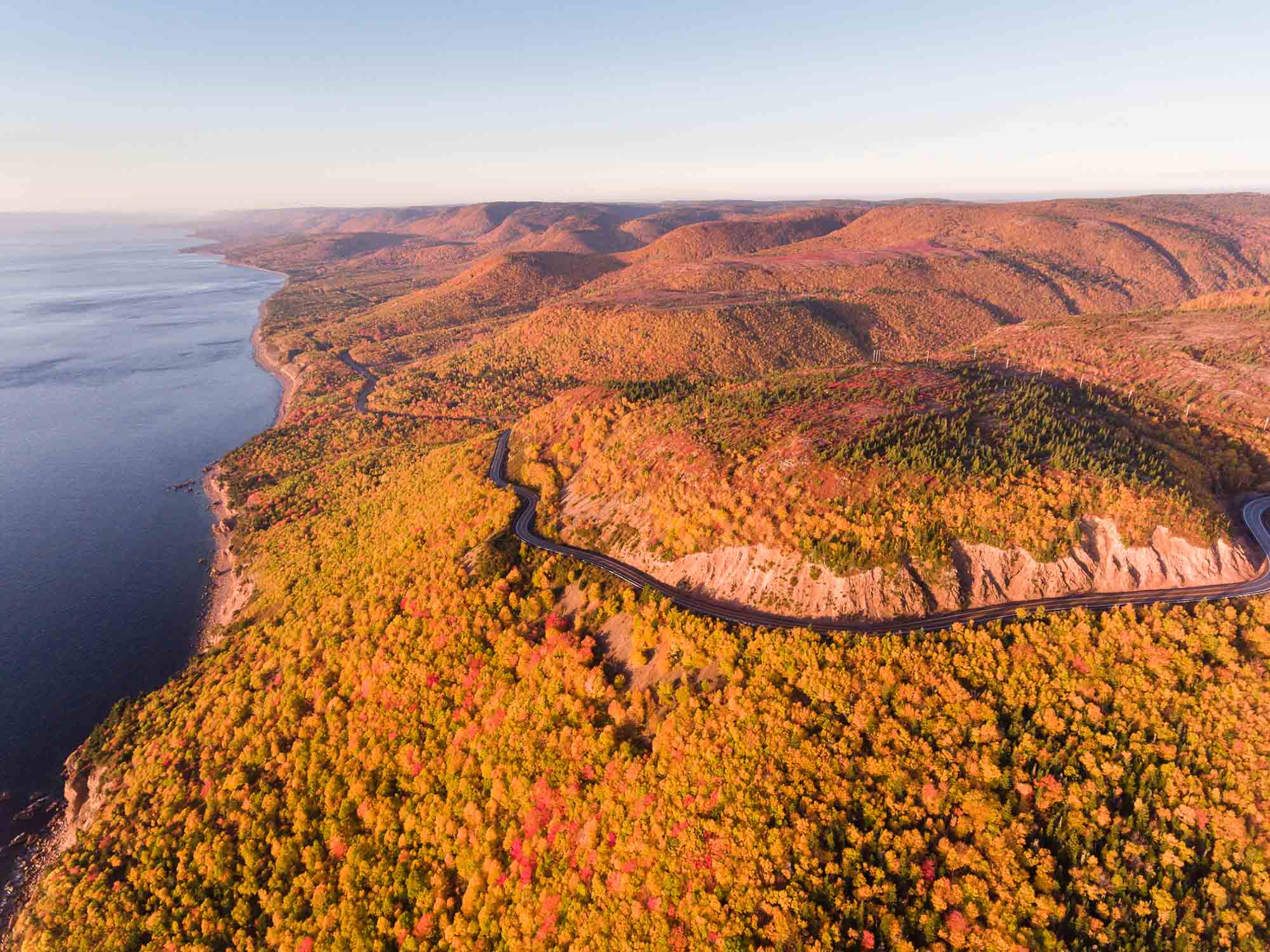
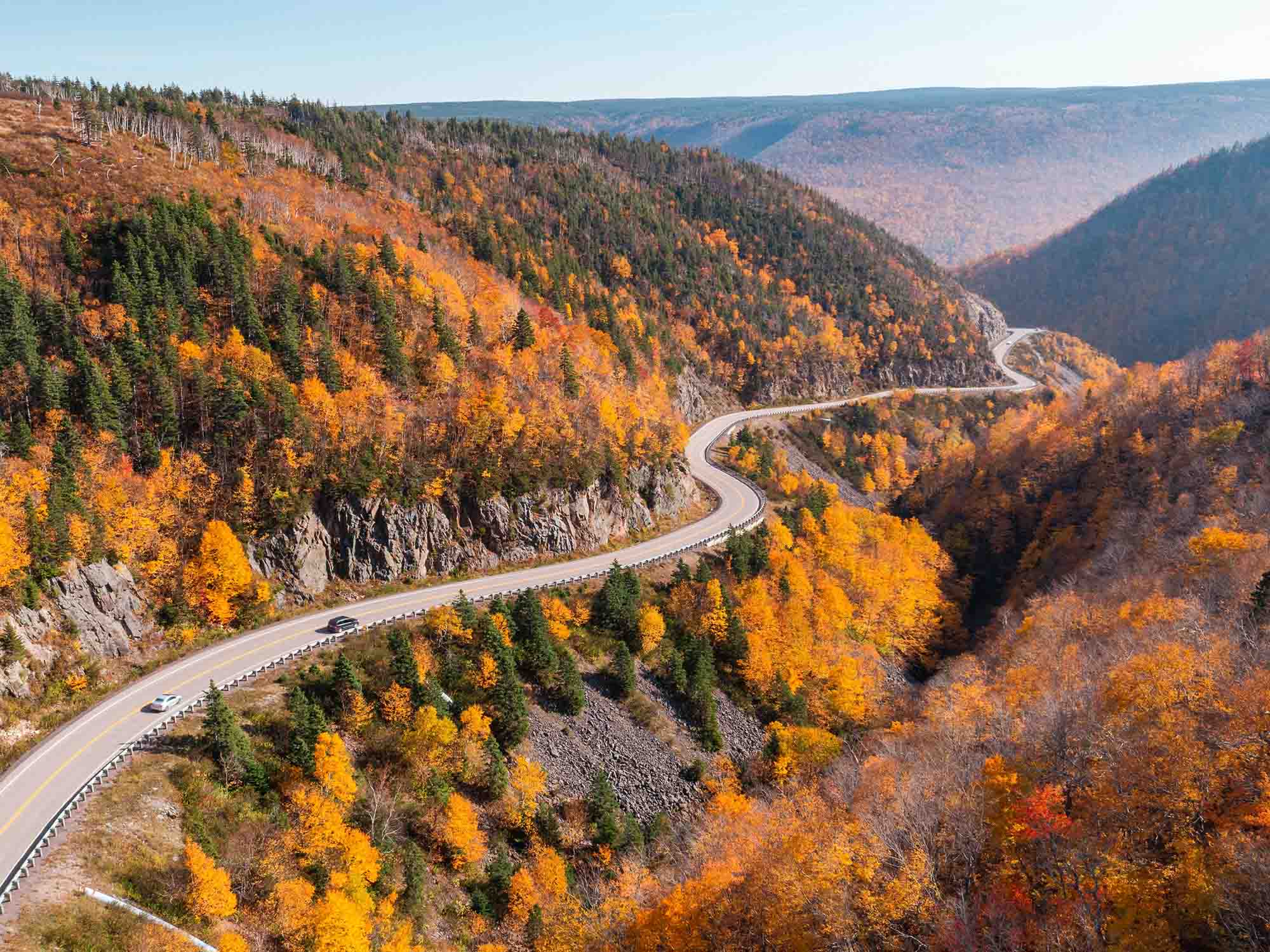
Autumn colours fill the Cape Breton Highlands mountain range in this photo of the Cabot Trail from a drone's view in Nova Scotia

“I prefer to drive the Cabot Trail clockwise as I like the view, although…”


“… some may prefer this direction too as it gives the feeling that you are hugging the mountains more, possibly making it a bit less intimidating.”

Cabot Trail Aerial Sunset

“I prefer to travel counter-clockwise because…”


“… it gives passengers a thrilling ride. As the driver, I love going up and down Cape Smokey Mountain near Ingonish!”
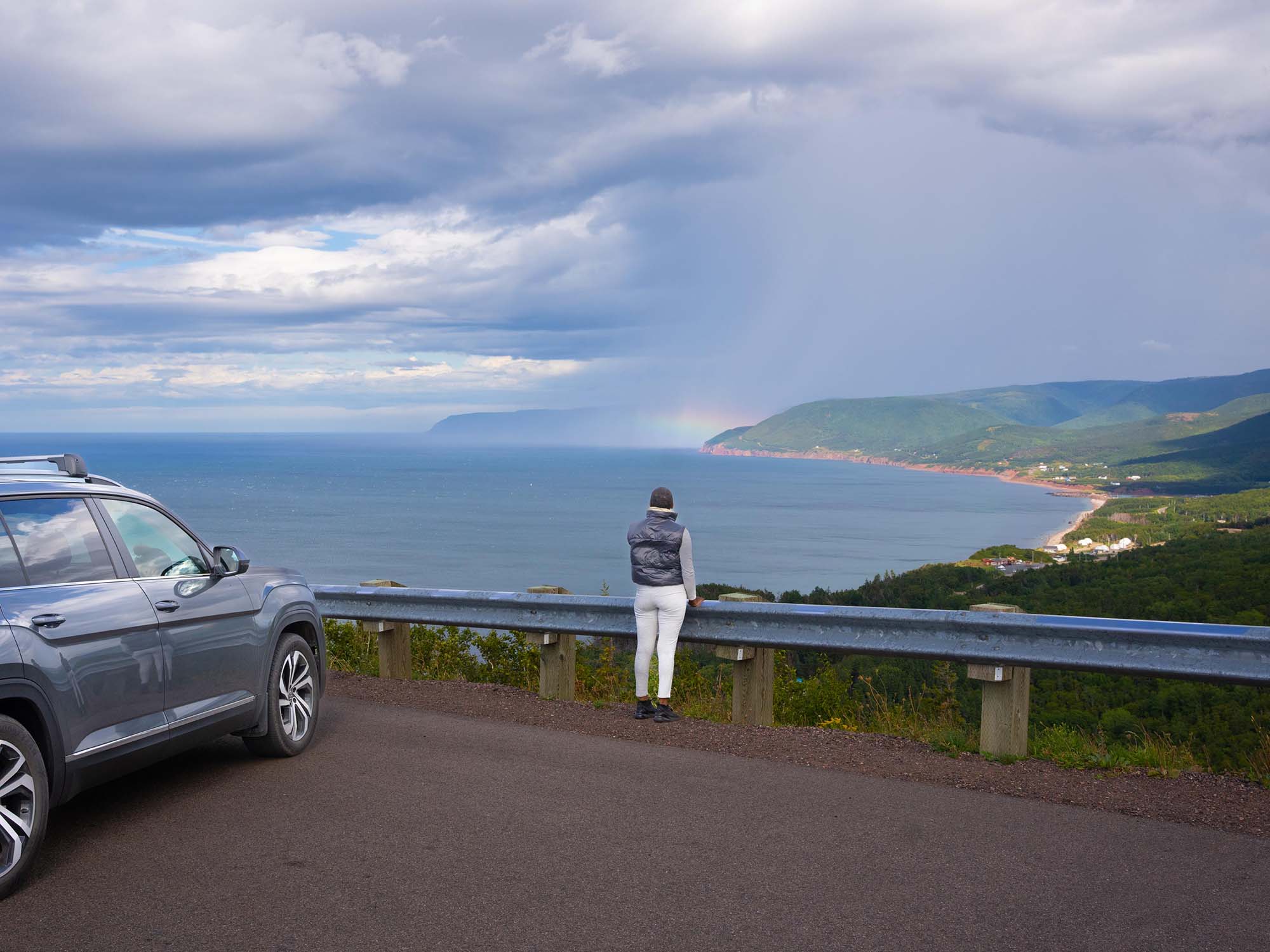
A look-off on the Cabot Trail

“Counter-clockwise – I love driving UP Cape Smokey and…”


“… seeing the view overlooking Ingonish on the way down the other side… and I love the views as you come around the west side of Cape Breton as you get closer to Chéticamp. You also have easy access to most pull-offs / look-offs in the Cape Breton Highlands National Park by going counter-clockwise as many are to your right, between the road and ocean.”
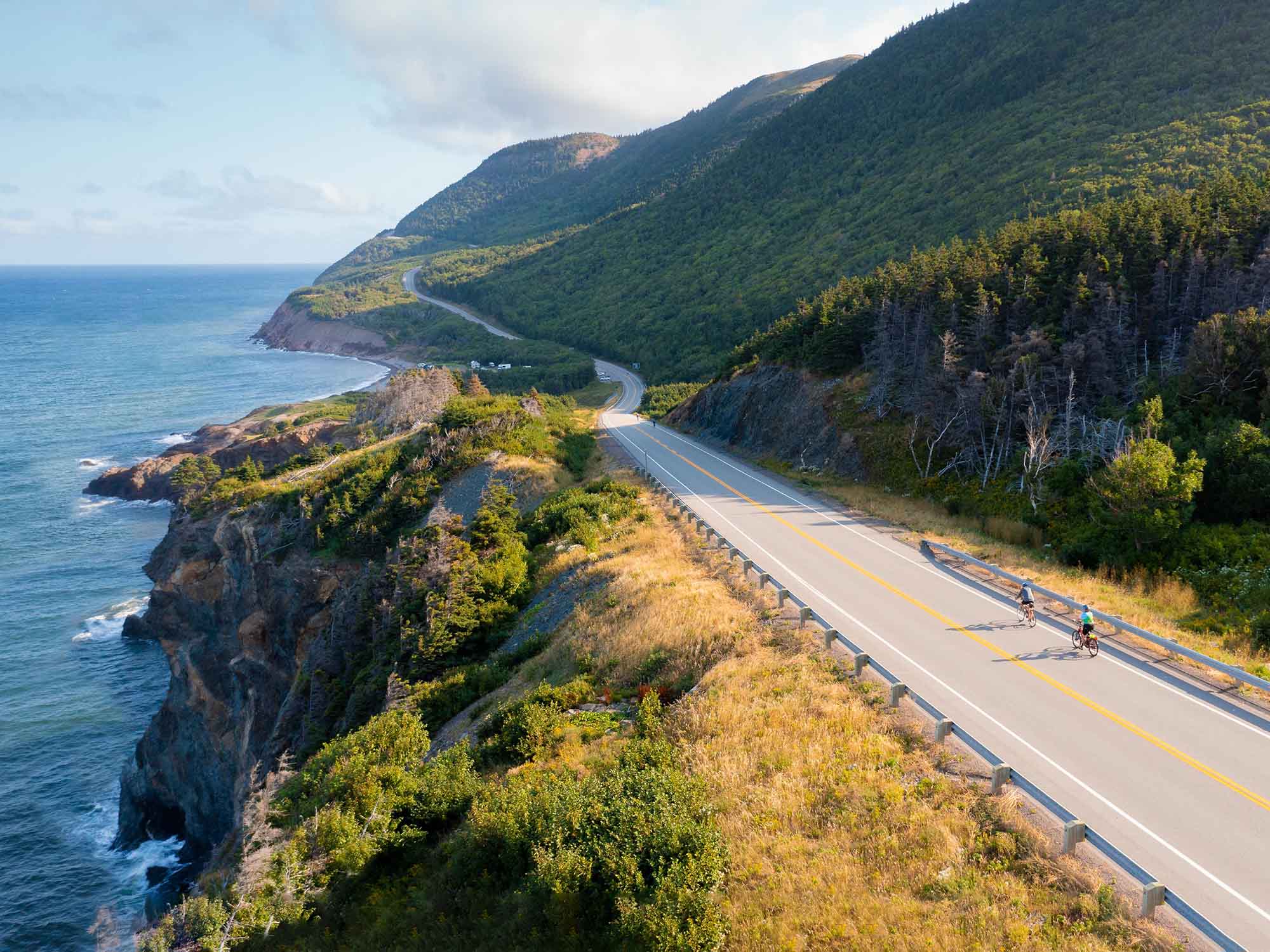
Cyclists traveling clockwise on the Cabot Trail in Cape Breton, Nova Scotia

“For cyclists, the Cabot Trail is listed as one of Lonely Planet’s top bike rides in the world.”


“Cyclists planning to bike the Cabot Trail can book with Freewheeling Adventures for guided and self-guided packages and itineraries.”
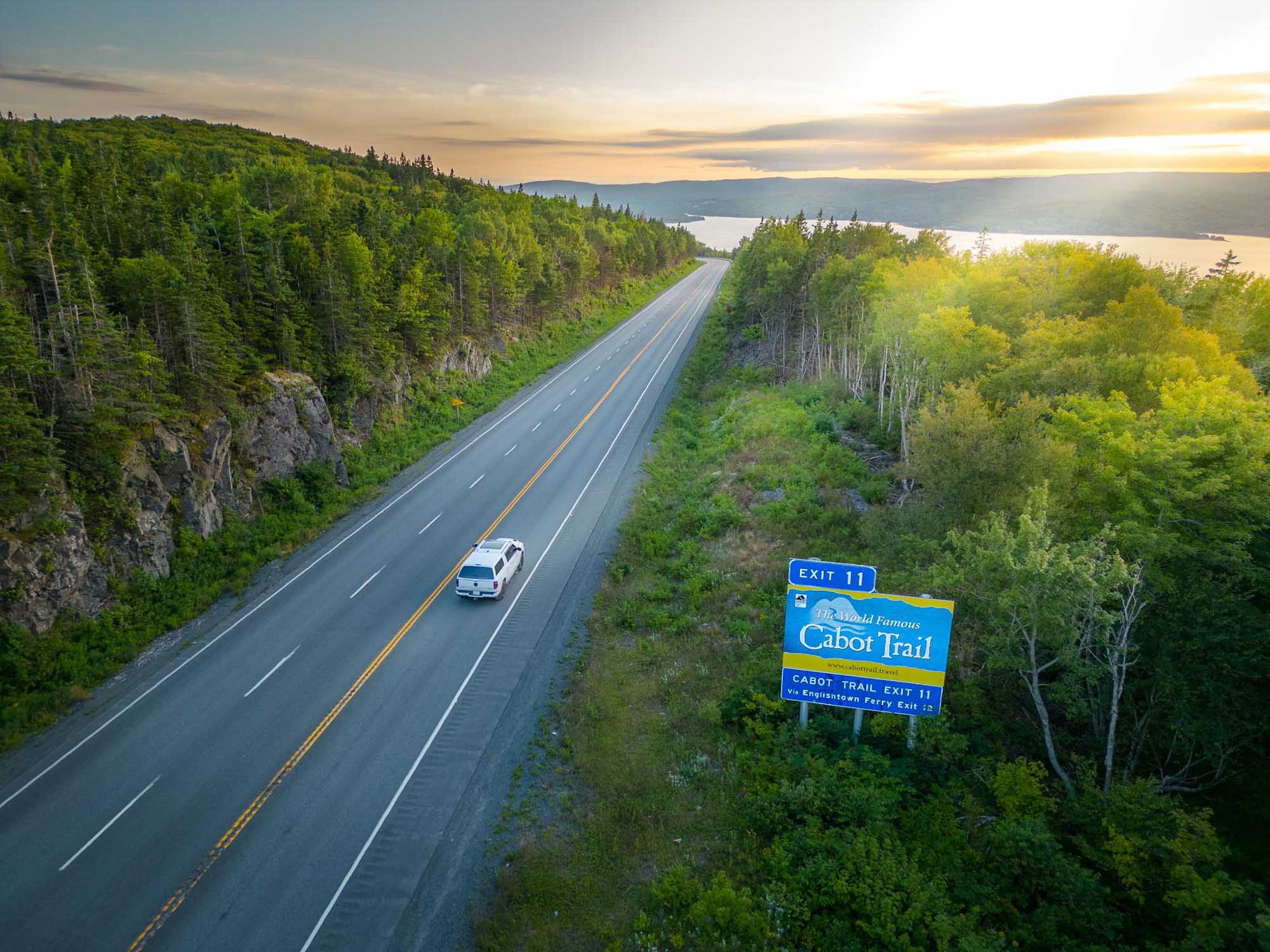
Car travelling Highway 105 towards the Englishtown Exit where they can take the Englishtown Ferry to catch the Cabot Trail in Cape Breton Nova Scotia

“Whichever direction you decide to drive, I will always recommend…”


“… that you drive along the coast in Cape Breton getting to/from the Cabot Trail as much as possible. This could include driving along the Bras d’Or Lake to get to Baddeck for a clockwise or counter-clockwise Cabot Trail adventure or – my favourite – taking Route 19 (Ceilidh Trail) all the way up the west coast to enter the Cabot Trail in Margaree Forks for a clockwise trip. Oh – and I love taking the Englishtown Ferry for the views of the mountains, too!

Where should I start my Cabot Trail drive?

Depending on where you are arriving from – mainland Nova Scotia or elsewhere on Cape Breton Island – and if you plan to go clockwise or counter-clockwise, you have a number of options of where you can hop on the Cabot Trail. Here are four most commonly used entrances to access the Cabot Trail:
Travelling clockwise

  • Take the Ceilidh Trail (Route 19) from Port Hastings as you enter Cape Breton Island to meet the Cabot Trail in Margaree Forks.
  • Drive along Hwy 105 to hop on the Cabot Trail at Exit 7 in Nyanza, near Baddeck.

Travelling counter-clockwise

  • Jump on the Cabot Trail at Highway 105, Exit 11 in St. Ann’s Bay.
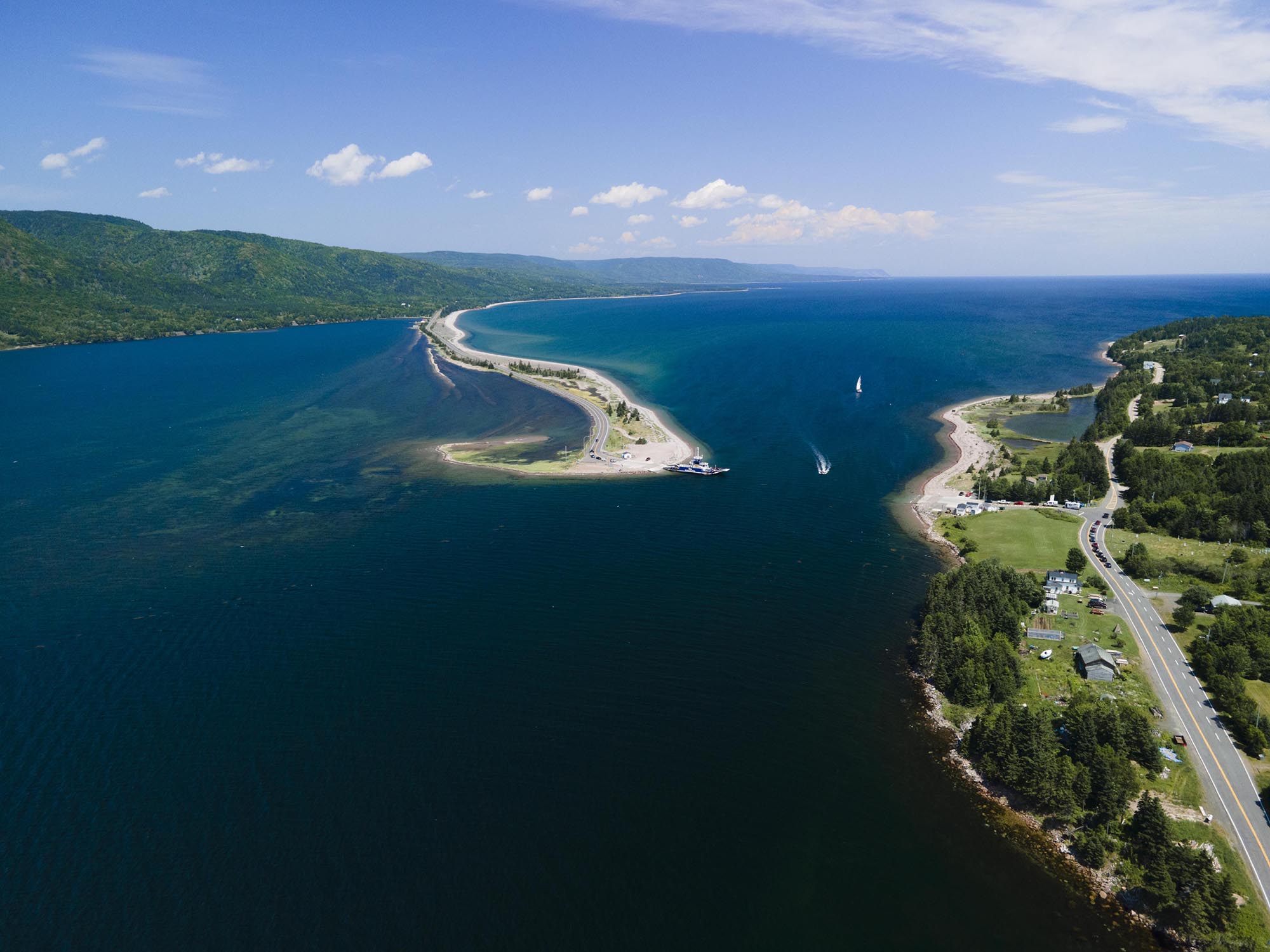
  • urn off Highway 105 at Exit 12 in Englishtown to take the Englishtown Ferry, a short cable ferry ride across the channel to Jersey Cove that connects St. Ann’s Bay and St. Ann’s Harbour. There is no fee/toll to take the ferry.
    • Be sure to watch for signage near Exit 11 (if travelling from the Baddeck direction) or before Exit 12 (if travelling from the Sydney/Kelly’s Mountain direction) that will indicate if the ferry is operating as weather and regular maintenance can interrupt this daily, year-round ferry service.
Drone view of the Englishtown ferry on the Jersey Cove side of the channel that connects St. Ann's Bay and the open Atlantic Ocean near Baddeck. This connects to the Cabot Trail in Cape Breton, Nova Scotia
St. Ann's Bay and Englishtown Ferry

Where should I stop – attractions, places to eat, shop, hidden gems, activities, etc. – as a first-timer driving around the Cabot Trail?

Believe us when we say there is a LOT to see and do throughout the Cabot Trail, including many “hidden gems”!

Here are some of the top recommendations from locals:

A blue gondola moves up a mountain looking out onto water views.
Gondola at Cape Smokey
Centre de la Mi-Carême
Les Trois Pignons, Cheticamp
  • The picnic park at Lake O’Law Provincial Park in Margaree – it’s a great place for a lake swim on a warm summer day. There are plenty of places to stop for photo-ops, but you won’t want to skip taking a few snaps the top of French Mountain and North Mountain after you’ve climbed them by bike.
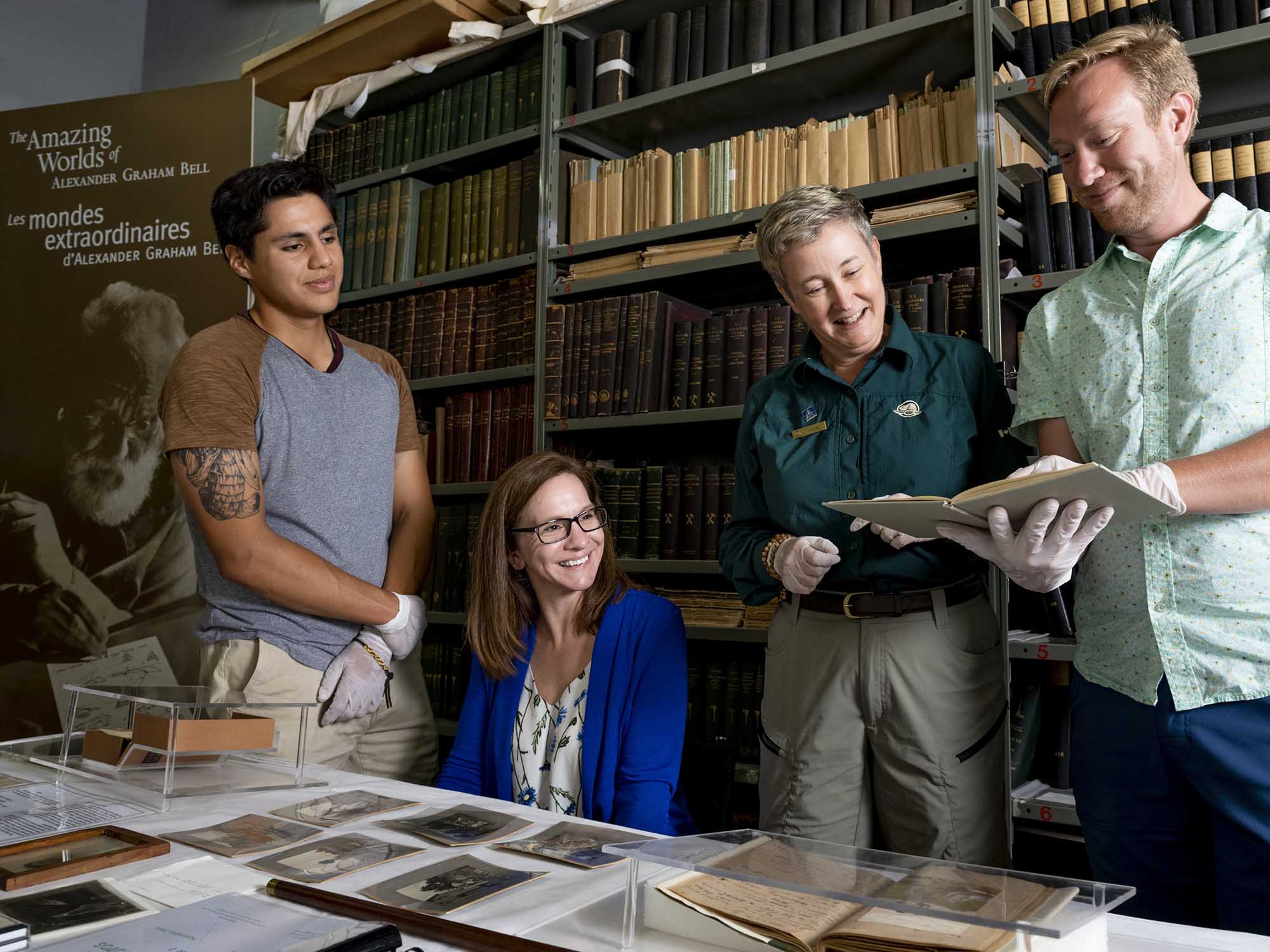
  • Stop in Baddeck to visit the Alexander Graham Bell National Historic Site and stay at one of the resorts, inns, B&Bs or cottages nearby. Make sure to take the White Glove Tour at the museum so you can see – and even hold – some of Bell’s inventions and personal belongings! The building and grounds are fully wheelchair accessible too.
  • Be sure to walk along the Baddeck Waterfront to take in the view that Bell and his wife Mabel loved enough to build a home here. You will even see a statue of them from their favourite spot to sit along the waterfront.
  • Uisge Bàn Falls Provincial Park, located minutes from Baddeck is a 3.5 km trail with a 50 foot waterfall in a gorge. Great for nature lovers! • Uisge Bàn Falls Provincial Park, located
Three people on a White Glove Tour with a Parks Canada guide at the Alexander Graham Bell National Historic Site in Baddeck, Cape Breton Island, Nova Scotia
White Glove Tour at Alexander Graham Bell National Historic Site
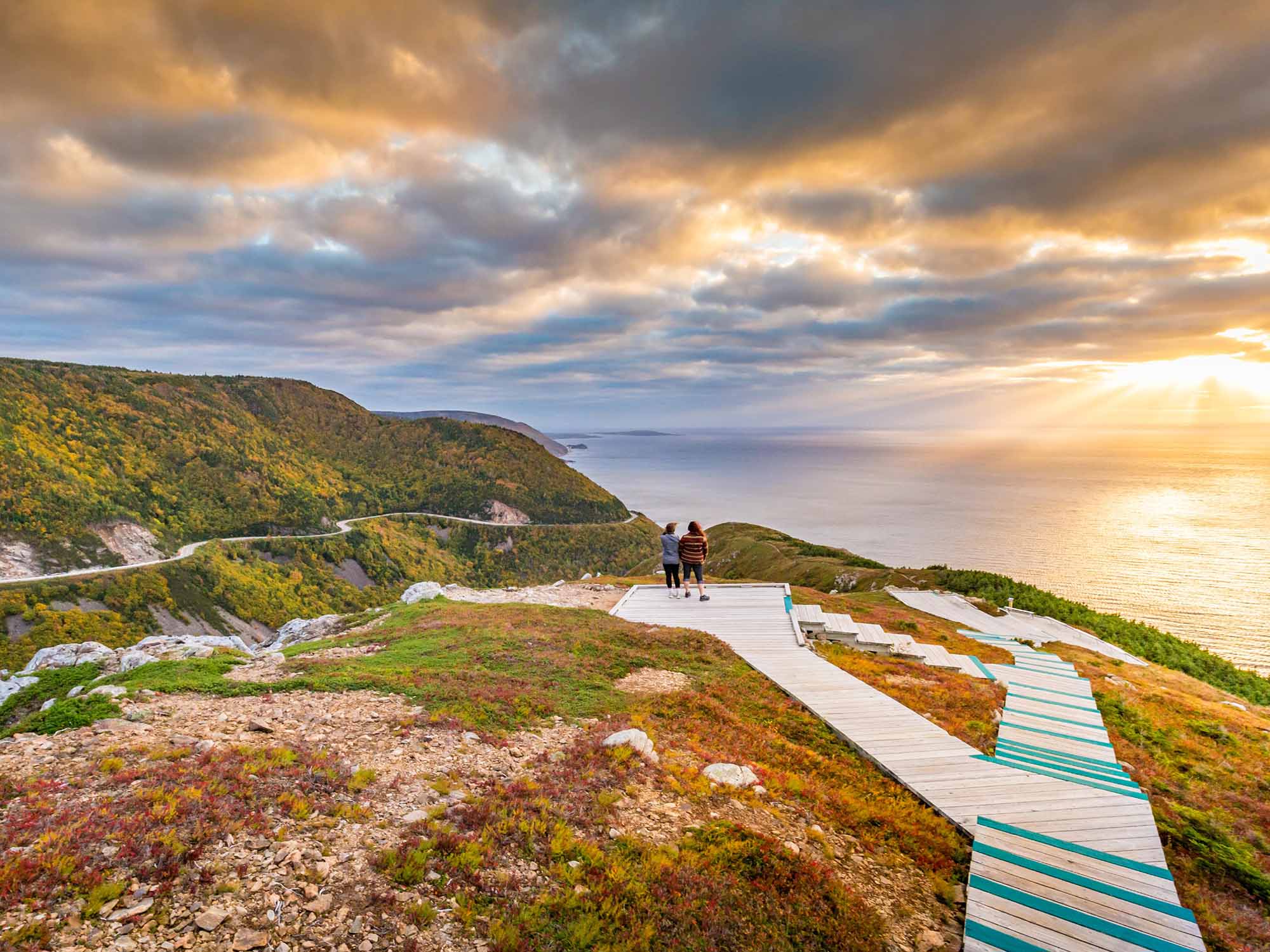
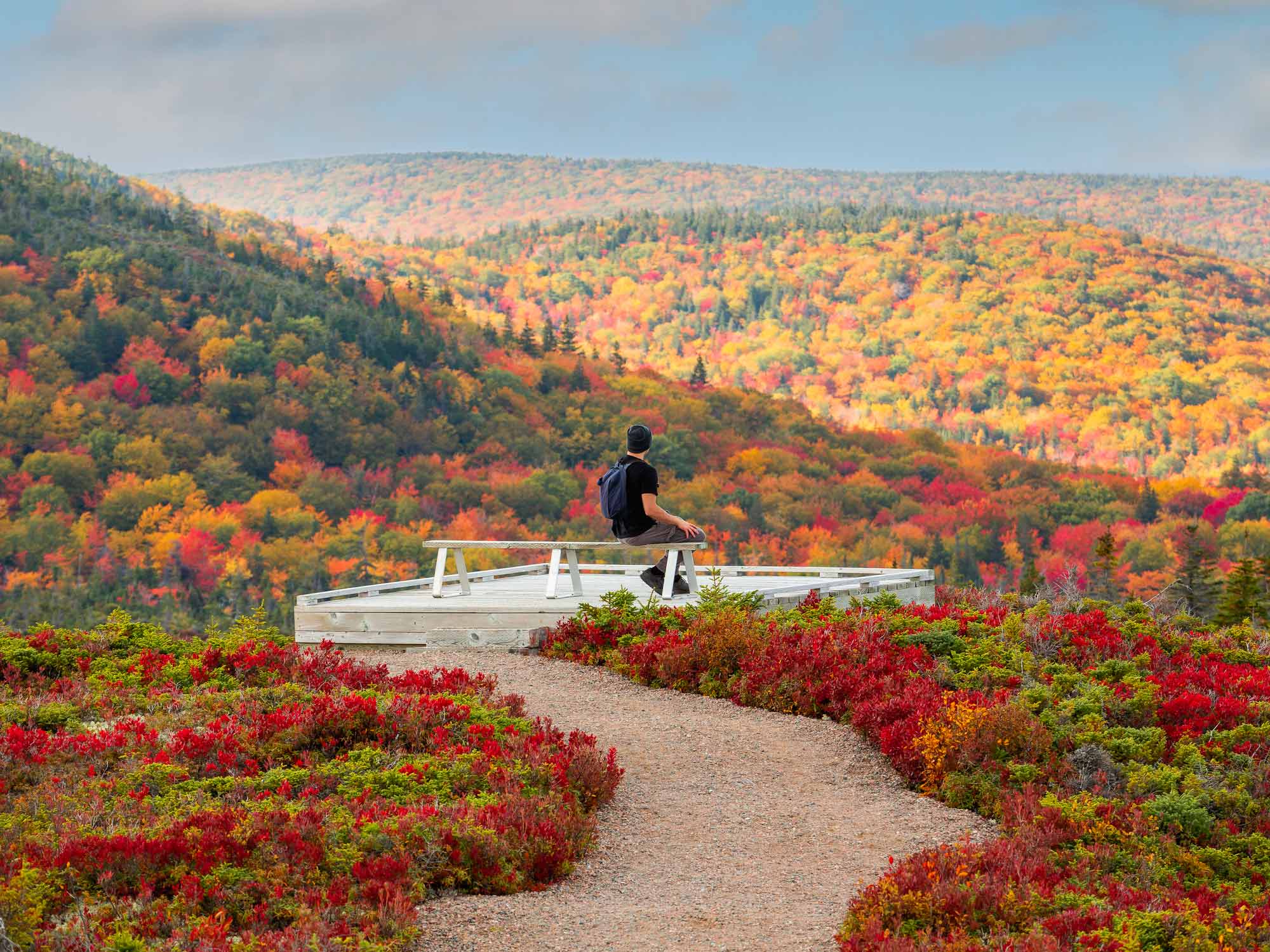
Two people taking in the amazing views of the Cabot Trail, Cape Breton Highlands and the ocean sunset from the platforms at the top of the Skyline Trail in early autumn in Cape Breton, Nova Scotia
Skyline Trail, Cape Breton Highlands National Park
  • In Chéticamp, stop for butter tarts and cinnamon buns at the La Boulangerie Aucoin Bakery and for coffee and local art, head to Freya & Thor Gallery and Café for wonderful, whimsical, one-of-a-kind carvings, paintings, hooked rugs and more but over 100 local and Maritime artists, including works and giftware by several Cape Breton artists.
  • Go whale watching in Cape Breton! The stunning natural beauty of northern Cape Breton Island from the water will literally take your breath away… oh, and the whales and dolphins are pretty amazing to see, too. You may even spot sea turtles, Sunfish (Mola), Atlantic Puffins and other sea life.
  • Go ziplining in South Harbour with Mountain Pine Adventures where you will zip over sections of South Harbour.
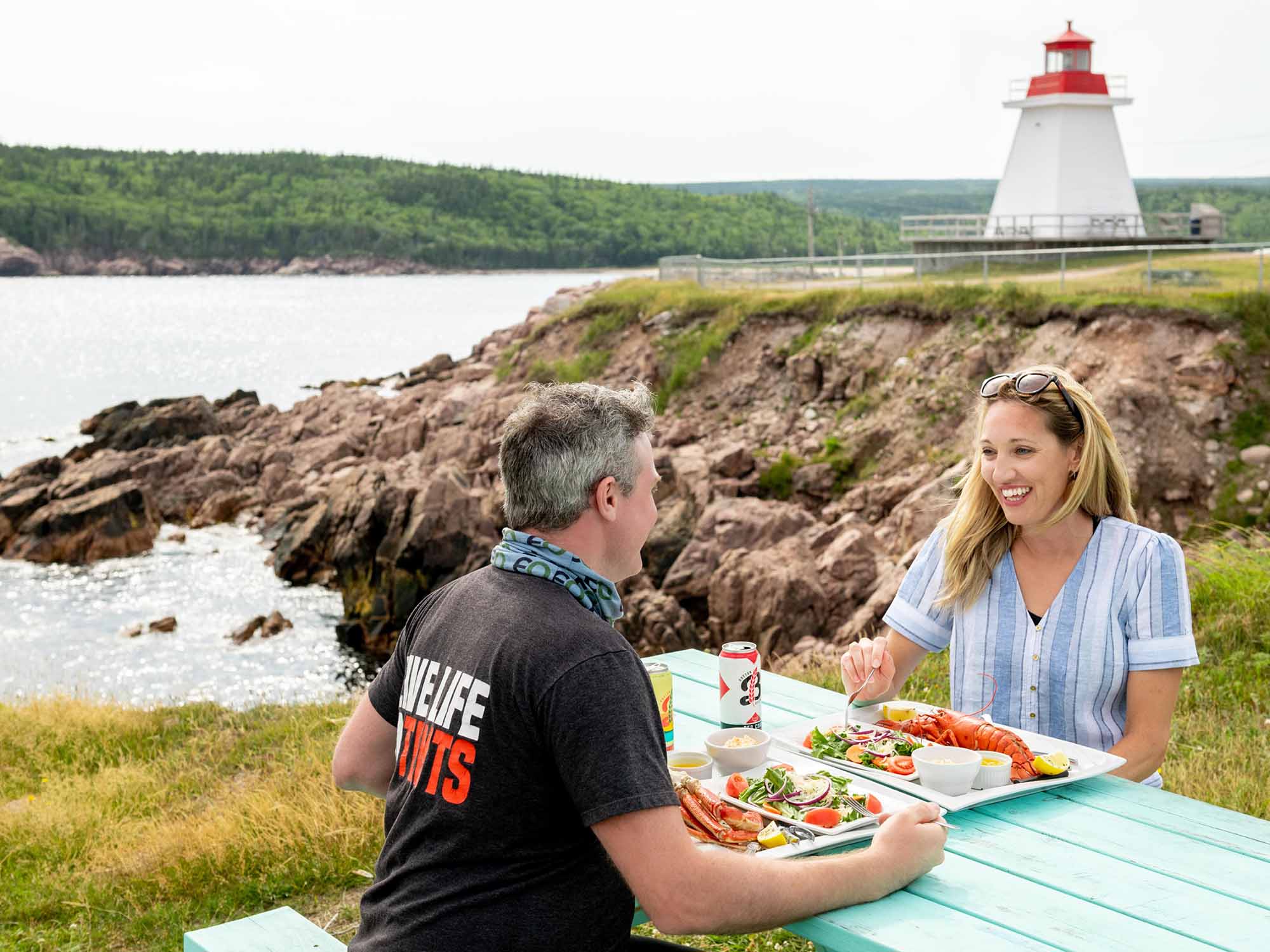
  • If you like taking scenic detours, you’ll want to drive the coastal route between South Harbour and Neil’s Harbour where you’ll discover the tiny fishing community of White Point. In the summertime, be sure to stop for a meal at The Chowder Hut in Neil’s Harbour and visit the lighthouse for ice cream.
Two people eating lobster meals from the Chowder House in Neil's Harbour from a seaside picnic table with the Neils Harbour lighthouse in the background on the Cabot Trail in Cape Breton, Nova Scotia
Lunch in Neil's Harbour
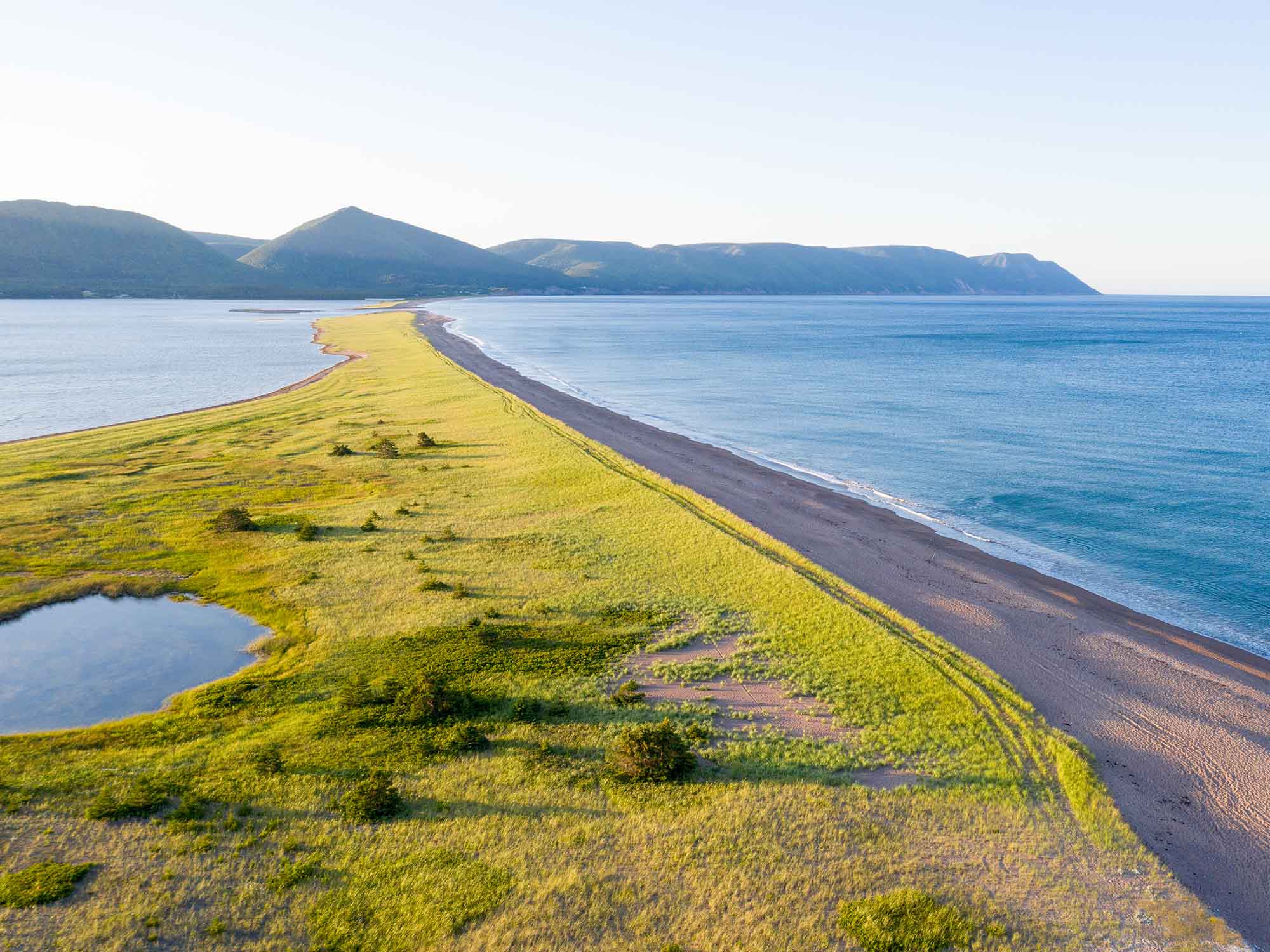
Drone view over the beach at Aspy Bay from Dingwall with the Cape Breton Highlands mountain range in the distance just off the Cabot Trail in Cape Breton, Nova Scotia
View from Dingwall

Cabot Trail FAQs

It can be, but not for long distances. Throughout most of the Cabot Trail, you will notice gradual inclines or declines however there are a few areas where you will experience short distances with a more substantial incline or decline such as between Pleasant Bay and North Mountain near Cape North and Cape Smokey near Ingonish.

Fun fact: Travelling counter-clockwise, from the base of Cape Smokey to the top, the road has a grade of 12-15%. When you reach the top, you will be approximately 366 meters (1,200 feet) above sea level and have travelled a short 2.5 km (1.5 mile) distance.

It will take approximately 4 hours and 30 minutes to drive the entire 298 km (185 miles) long Cabot Trail – without any stops – if you were to start from and return to the village of Baddeck.

… But, trust us, you WILL want to stop:

  • at a look-off (or 10) to take pictures
  • a hiking or walking trail to stretch your legs
  • at a beach or lake to go for a quick swim in the summertime
  • at an artist or artisan shop or gallery to do a little shopping
  • at a restaurant, bakery or take-out food truck to have a bite to eat and drink along the way
  • to gas up or charge your vehicle
  • to chat with Parks Canada staff at a look-off, trail and/or the entrances of the National Park, or
  • all of the above!

We recommend staying over at least one night while driving the Cabot Trail to experience all there is to see and do along this famous scenic drive.

With over 100+ EV chargers located throughout Nova Scotia, you can easily map your travel route with the help of PlugShare.com.

Around the Cabot Trail, Parks Canada has seven public charging stations (Tesla and J-1772) in the following locations:

Visit our EV Charging Stations page to see all public EV chargers available around the Cabot Trail and throughout Nova Scotia and view locations of electric vehicle charge stations that are opening soon.

While there is plenty of forest coverage throughout the Cape Breton Highlands for native animals to exist away from humans, you may still encounter some of our resident wildlife from your vehicle, a look-off, or along a hiking trail during your trip.

Wildlife we are most often asked about includes moose, white-tailed deer, black bears, coyotes, whales, eagles, and puffins.

Eagles are frequently spotted soaring overhead, sitting in trees and fishing over rivers, lakes and the ocean. Puffins are seabirds so you are more likely to see them on a boat tour to the Bird Islands with Donelda’s Bird Island Puffin Tours in Englishtown or Bird Island Boat Tours. You may also spot puffins, along with whales, while on a whale watching boat tour. You may even catch a glimpse of a whale from a look-off within the National Park.

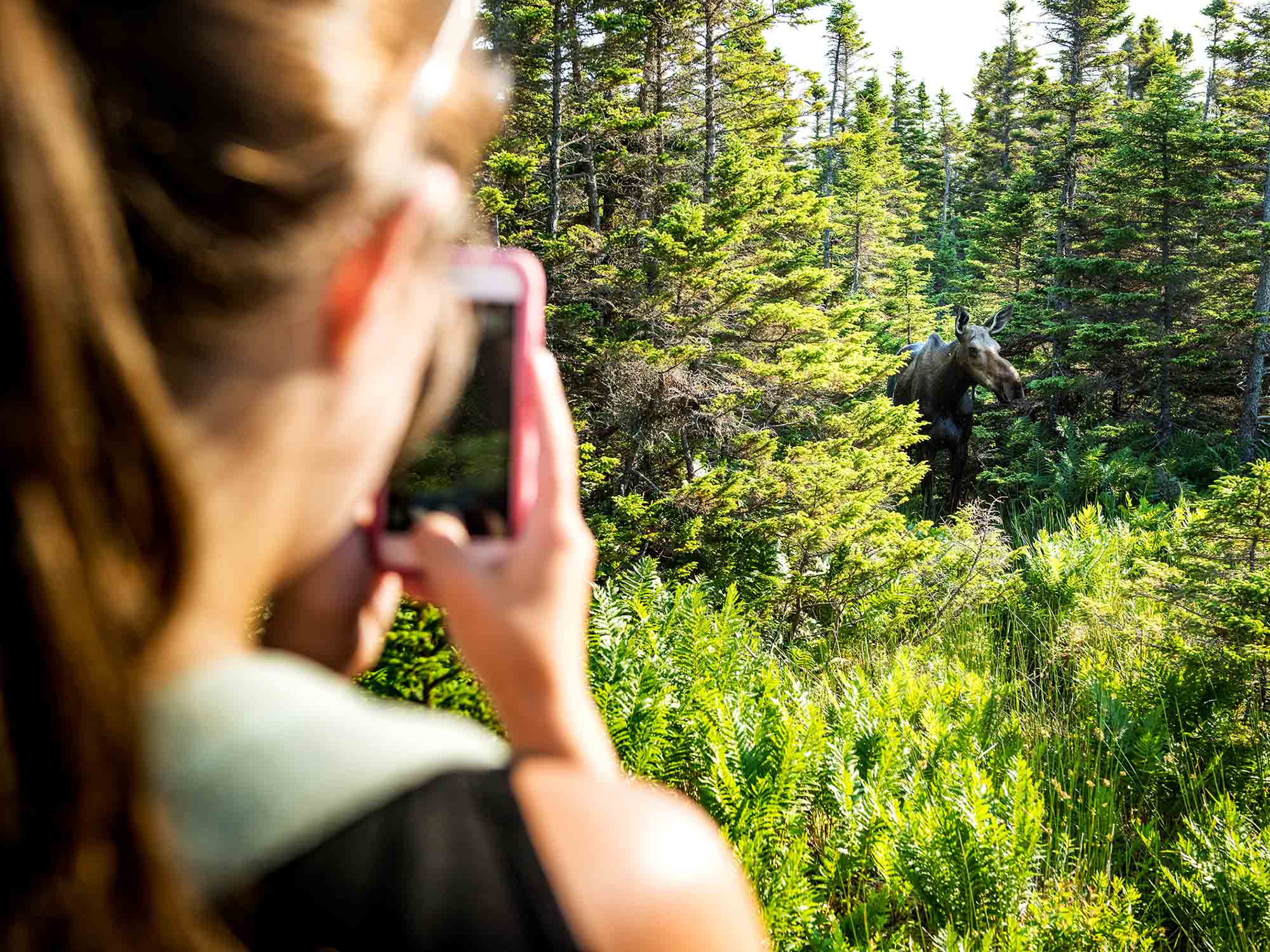
On land, wildlife such as moose, bears, deer, and coyotes will generally keep their distance from humans; however, it is important to know what to do if you do encounter a wild animal. Parks Canada has provided a detailed list of safety tips and information called Keep it wild, keep it safe on their website. From how to make your presence known on a trail to what is considered a safe distance to maintain, this information can help prepare you to safely explore and navigate the Cape Breton Highlands.

Person taking pictures from a safe distance away from a moose that is eating branches on a tree near a hiking trail in the Cape Breton Highlands National Park in Nova Scotia.
Moose appearing along a hiking trail in Cape Breton

Learn From the Locals

Tag your travel photos to be featured.

Back to top