
Deaf-Accessible Travel in Nova Scotia
Deaf travellers, Lily Yu and Daniel Heidemeyer spent a week in Nova Scotia and this guide shares firsthand experiences, favourite stops, and practi...

Pjila’si (welcome)!
For more than 13,000 years the Mi’kmaq have called this beautiful land home and enriching us with legends, art, music, spirituality, history, and language. Connect with Indigenous people, stories, and special places across Mi’kma’ki.
Celebrate the life, culture, and history of the Mi’kmaq people in Membertou First Nation on Unama’ki (Cape Breton Island). Explore the Heritage Park, a large cultural centre sharing interpretation and stories through exhibits and programs. Dine at Kiju’s Restaurant for traditional and locally inspired recipes. Plan to tour the medicine gardens and, with advanced booking, take part in drum and basketmaking, beading, or wooden flower crafting, led by a local expert.
Hear stories of the vibrant Mi’kmaw culture in Eskasoni First Nation on Cape Breton Island. Explore a 2.4km trail on Goat Island in the Bras d’Or Lake, a UNESCO Biosphere Reserve and take part in a smudging ceremony, join in traditional dance, and learn local stories and legends. All tours must be booked in advance.

Through guided tours, multi-media presentations, and hands-on activities at the cultural centre, learn about the legendary Kluskap and the Mi’kmaw way of life. See artifacts that date back 7,500 years and learn about Indigenous history and culture in the surrounding area from knowledgeable guides. For Indigenous art, books, and moccasins, be sure to visit the gift shop.

A permanent exhibit at the Museum of Natural History highlights the origins of the Mi’kmaq, their artistry, and way of life. Many stunning artifacts are on display, including samples of woven baskets, quillwork and beadwork, as well as tools and materials used in daily life such as birch bark, wood, and stone.
Explore Fortress Halifax, the largest exhibit at the Halifax Citadel National Historic Site, spanning seven rooms and over 550 square metres. Journey through Halifax’s rich and turbulent history through paintings, maps, digital journals, and stories and perspectives from Mi’kmaq, British, French, Black Loyalists, and Acadians. View artwork by renowned Mi’kmaw artist Leonard Paul, depicting Kjipuktuk (Halifax) and Mi’kma’ki (ancestral Mi’kmaq land), and experience the city’s social and military history.
Visit Kejimkujik National Park and National Historic Site and discover Mi’kmaw culture, traditions, and language within the woodlands, lakes, rivers, bogs, and barrens of Kejimkujik. It is a story 4,000 years in the making with equal parts history and legend, and it’s here for you to hear, see and feel.
Explore iconic petroglyphs carved in slate rock and discover four millennia of Mi’kmaw history on the shores of Kejimkujik lake. Enjoy a 90-minute tour with a Parks Canada cultural guide and discover some of the 500 plus petroglyphs that make up one of North America’s largest collections. Carved sailing ships, symbols and clothed-figures offer vital clues for reconstructing the Mi’kmaw way of life from centuries past. Advanced registration is required.

Discover Mi’kmaw culture at Port-Royal National Historic Site, one of the earliest European settlements in North America. Visit a wigwam, try your hand at drumming, or play the traditional game of waltes. The Mi’kmaw people have lived in this region for thousands of years. They welcomed the French colonists in 1605, forming an enduring friendship and alliance.
During the Fortress of Louisbourg’s French occupation, the Mi’kmaq played a vital role helping the community through knowledge sharing and supporting the military during two sieges. The Mi’kmaw Interpretive Centre at the Fortress of Louisbourg connects you with Mi’kmaw history through interpreters, images, artifacts, songs, traditional drumming, and storytelling.


Deaf travellers, Lily Yu and Daniel Heidemeyer spent a week in Nova Scotia and this guide shares firsthand experiences, favourite stops, and practi...
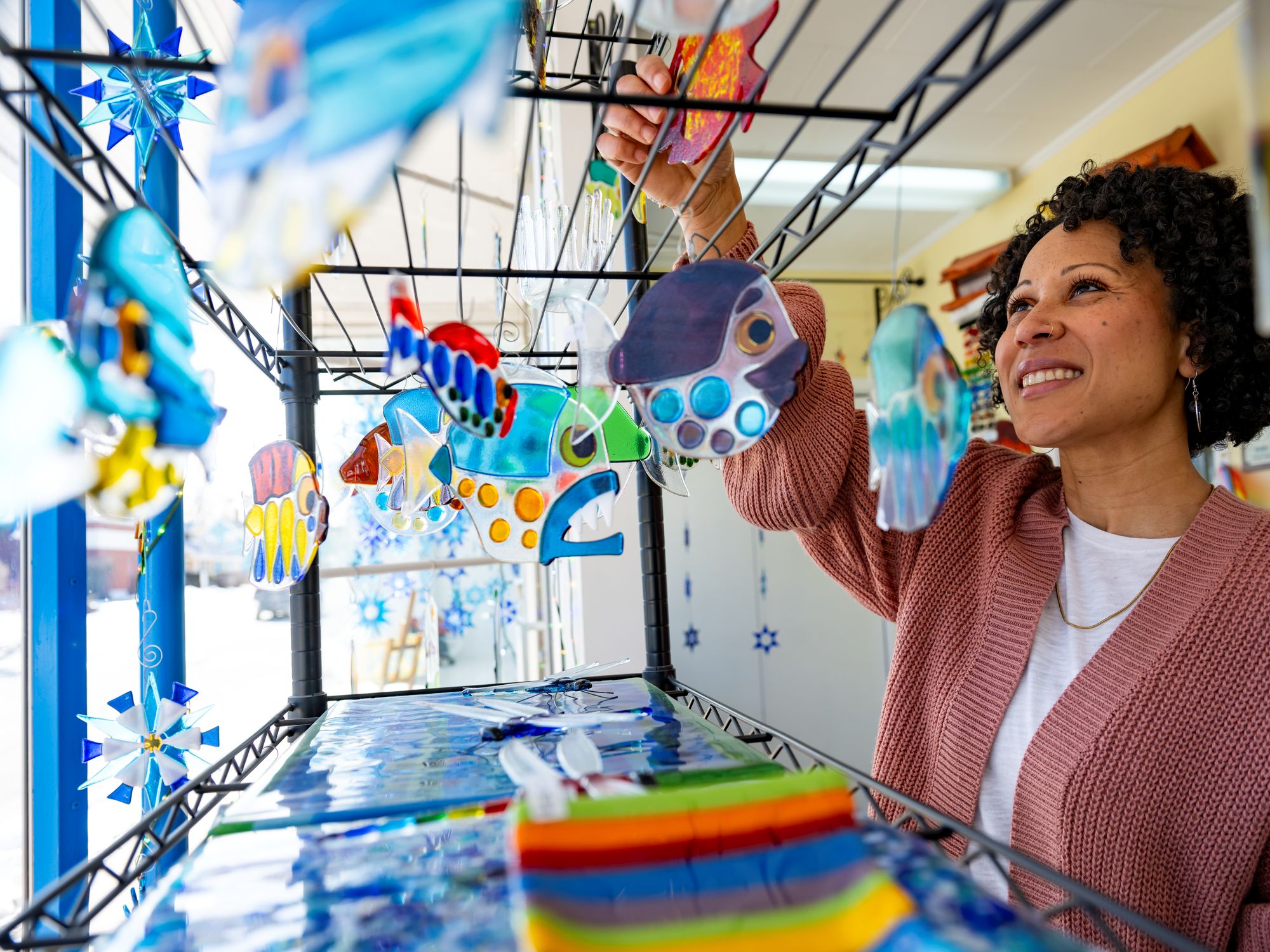
Make your playlist a work of art. Create pottery by the sea, join a Celtic cèilidh, take part in an Indigenous glass art workshop, and more.

When people think of Cape Breton Island, places like the Cabot Trail often steal the spotlight. But tucked along the island’s southeastern shore is...
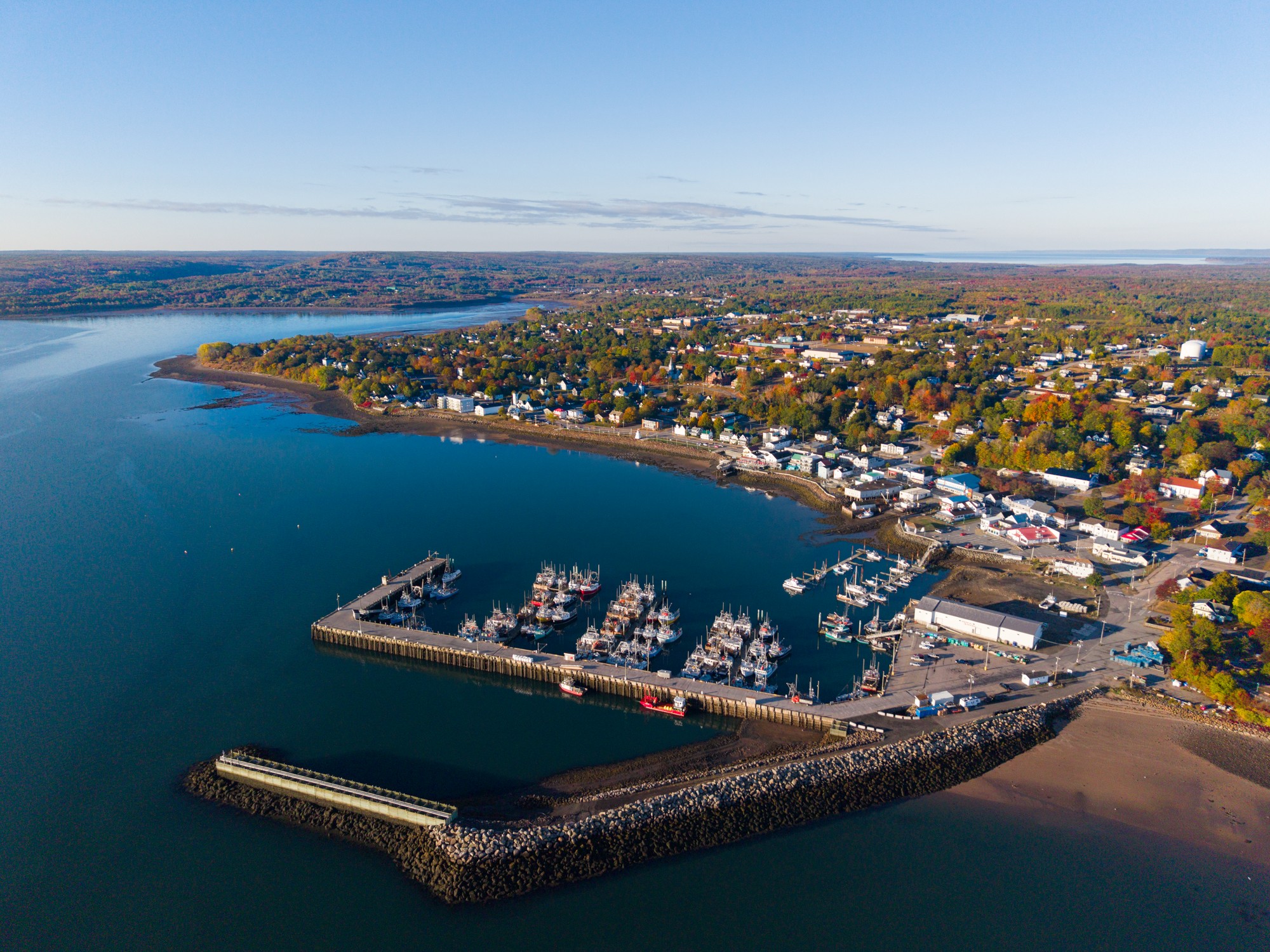
Set your sights on Digby for fall adventures along the Bay of Fundy coast. Famed for their succulent ‘Digby Scallops,’ the area holds the title of ...
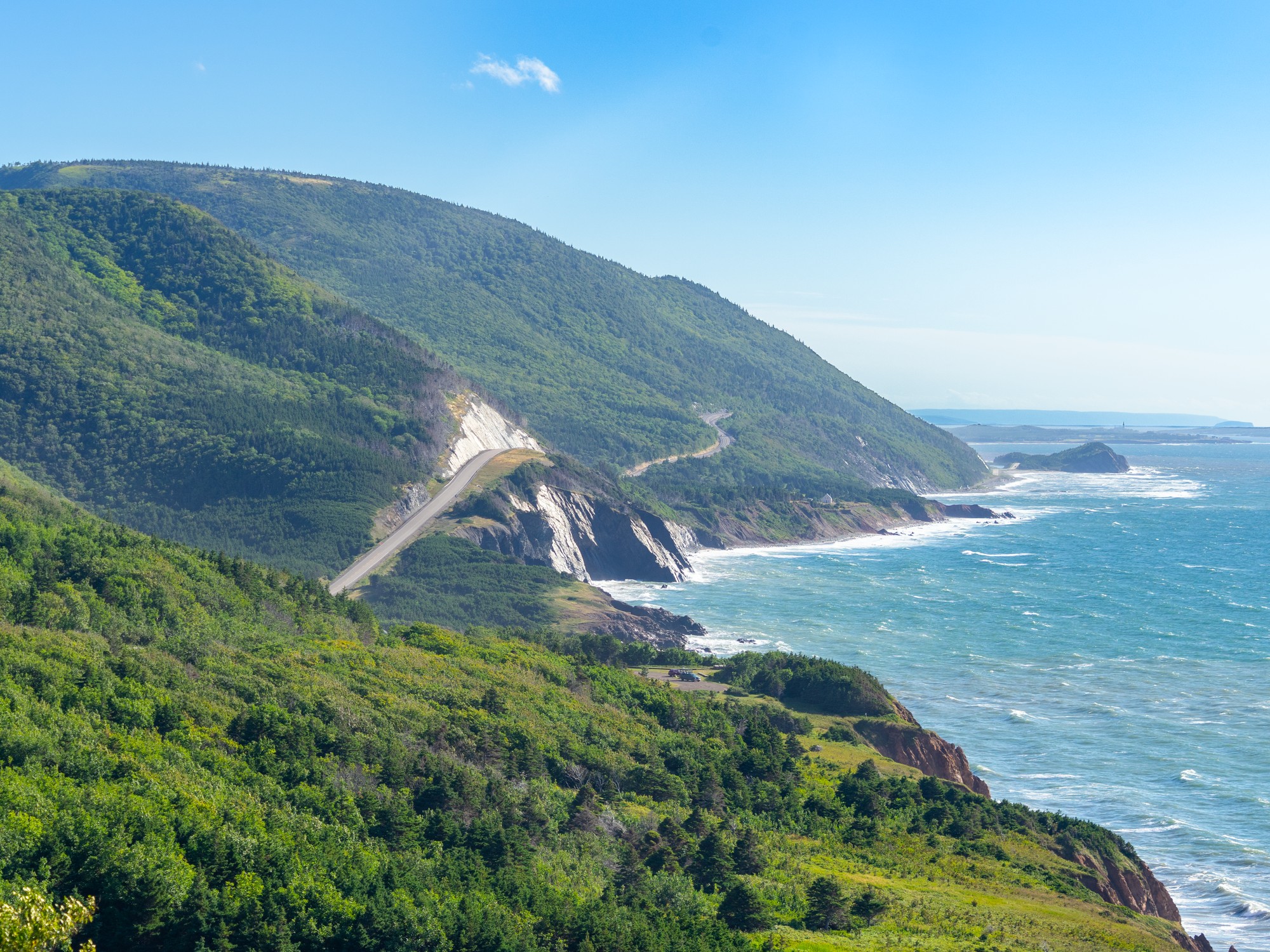
Explore winding roads, dramatic cliffs, quiet fishing villages, and endless ocean views along the coast of Nova Scotia. Whether you’re chasing suns...

Tag your travel photos to be featured.
