Skip to Content
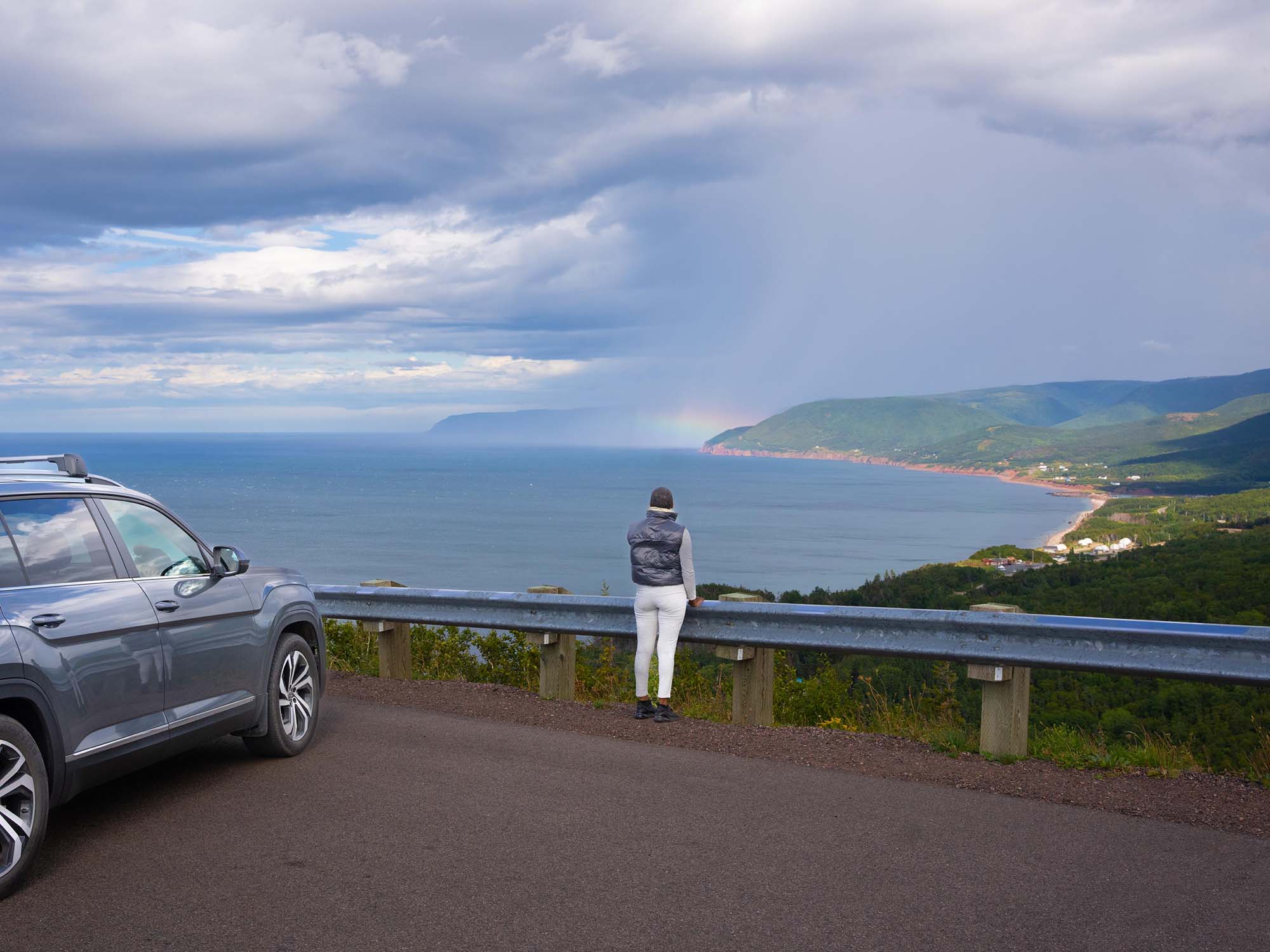
Person taking in the view of a rainbow in the mist from one of the 26 look-offs on the Cabot Trail in Cape Breton, Nova Scotia

Weather

Offering year-round fun, food, and adventures, let us help you prepare for whichever seasons you plan to visit Nova Scotia in!

Weather in Nova Scotia

Nova Scotia has a moderate climate with four distinct seasons, and weather conditions can vary across the province depending on the time of year and your proximity to the ocean. Summer temperatures typically range from 20 to 25°C, while spring and fall offer comfortable conditions for sightseeing and road trips. Because temperatures can change throughout the day and between regions, dressing in layers is recommended year-round.

What are temperatures like in Nova Scotia?

Summer temperatures typically range from 20 to 25°C, while spring and fall are often between 10 and 20°C. Winter temperatures can range from -15 to 5°C. Temperatures and conditions can vary noticeably between coastal communities and inland areas, even on the same day.


Two people run into the water for a swim during sunset.
Melmerby Beach Provincial Park

What should I pack for a trip to Nova Scotia?

Layers are recommended in every season. Nova Scotia’s weather can change throughout the day, especially near the coast. A light fleece, sweater, or jacket is useful even in summer, while rain gear can be helpful year-round. Comfortable walking shoes and clothing that can adapt to changing temperatures will help you stay comfortable while exploring the province.

Two people hiking in the fall during the Celtic Colours Guided Hike: Aspy Trail in Nova Scotia
Aspy Trail

Nova Scotia Weather Frequently Asked Questions

Nova Scotia has four distinct seasons, and weather varies by month and region. Summer temperatures are typically warm and ideal for outdoor activities, while spring and fall bring cooler temperatures, coastal scenery, and seasonal events. Winter is generally milder than many parts of Canada but can include snow, rain, and freezing temperatures. For specific travel planning, it’s best to check the forecast and seasonal conditions for your month of travel.

The best time to visit Nova Scotia depends on what you’re looking for. June through October offers warm weather, coastal road trips, whale watching, beaches, and full access to attractions such as the Cabot Trail, Peggy’s Cove, and Lunenburg. Many travellers also love September and October for fall colours, harvest experiences, comfortable temperatures, and fewer crowds.

Yes. Weather can vary significantly across Nova Scotia depending on where you are and how close you are to the ocean. Coastal destinations such as Halifax, Yarmouth, and Cape Breton may experience different temperatures, wind, and fog conditions on the same day. The Atlantic Ocean, Bay of Fundy, and Northumberland Strait each influence local weather, making layers a smart choice wherever you travel.

Yes. Nearly surrounded by water, Nova Scotia’s coastal location helps moderate temperatures year-round. The ocean can keep some areas cooler in summer and milder in winter, while also contributing to changing conditions such as fog, wind, and shifting temperatures. Communities near the coast often experience different weather than inland areas.

Nova Scotia is nearly surrounded by the water, and weather conditions are influenced by changing ocean, coastal, and inland conditions. Temperatures can vary from one region to another and even throughout the same day. It’s possible to experience sunshine, ocean breezes, fog, and cooler temperatures during a single outing, particularly along the coast.

Nova Scotia has a moderate climate with four distinct seasons and rarely experiences extremely hot or extremely cold temperatures. Weather conditions can vary by region and proximity to the ocean, so it’s best to check the forecast before travelling and pack layers. Being prepared for changing conditions will help you enjoy everything from coastal drives and hiking trails to beaches and city exploration.

If severe weather is forecast, check Environment and Climate Change Canada for the latest weather alerts and forecasts, and monitor updates from the Province of Nova Scotia for emergency information. If weather is affecting road conditions, call 511 or visit the 511 Nova Scotia service for current travel and road updates before heading out.

Yes. Nova Scotia is a great summer destination for travellers looking to avoid extreme heat with average daytime temperatures ranging from 20 to 25°C (68 to 77° F). Coastal communities such as Halifax, Peggy’s Cove, Lunenburg, and Cape Breton Island often benefit from ocean breezes and more moderate temperatures than many inland destinations. Visitors can spend their days exploring beaches, hiking coastal trails, kayaking, whale watching, and enjoying waterfront patios. Weather can still vary throughout the province, so packing layers is recommended, especially along the coast.

No. While fog is common in some coastal areas of Nova Scotia, especially along the Atlantic coast, it is not always foggy. Communities such as Halifax, Peggy’s Cove, and parts of the South Shore can experience periods of sea fog, particularly in late spring and summer when warm air moves over colder ocean waters. Weather conditions vary significantly by region and time of year, and many days are clear, sunny, and ideal for exploring. Fog often burns off as the day progresses, especially away from the immediate coastline.

Tag your travel photos to be featured

Back to top