

Make Yarmouth Your Base for Exploring Southwest Nova Scotia
Set right on Nova Scotia’s southwest tip, Yarmouth is a seriously underrated coastal hub that makes an ideal base for exploring a stretch of the pr…

People of African descent have made Nova Scotia their home for more then 400 years. Their history includes the stories of many diverse groups – Loyalists, Maroons, Caribbeans, Refugees and others – sewn together through a common African ancestry.
African Nova Scotians have called Nova Scotia home for more than 400 years. The first to arrive was explorer and translator for Samuel de Champlain, Mathieu de Costa, who helped build relationships with Mi’kmaq in the early 1600s. In the years that followed, Black settlers from both French and English backgrounds settled in towns like Annapolis Royal. Others were also transported to Louisbourg to work as enslaved people.

More than a century later, over 3,000 Black Loyalists fled to Nova Scotia to escape the aftermath of the American War of Independence. In the decades that followed, they were joined by the Jamaican Maroons – a group emancipated and freed Africans rooted from Jamaica to Nova Scotia – and Black refugees from the American Civil War escaping slavery through the Underground Railroad.
Many African Nova Scotians made a home in the community of Africville, on the edge of the Halifax Harbour. The thriving community stood for over a century, until it was displaced to make room for Halifax’s industrial expansion in the 1960s. Although the physical community no longer stands, its spirit lives on. Along with 51 other African Nova Scotian communities across the Nova Scotia that continue to thrive through the spirit of their culture, history and ancestors.


Set right on Nova Scotia’s southwest tip, Yarmouth is a seriously underrated coastal hub that makes an ideal base for exploring a stretch of the pr…

This region is home to some of our most scenic coastal vistas and historic attractions. Explore our coast and get acquainted with the classic South…

Connect with the rich history of African Nova Scotian culture by visiting these museums and cultural centres.

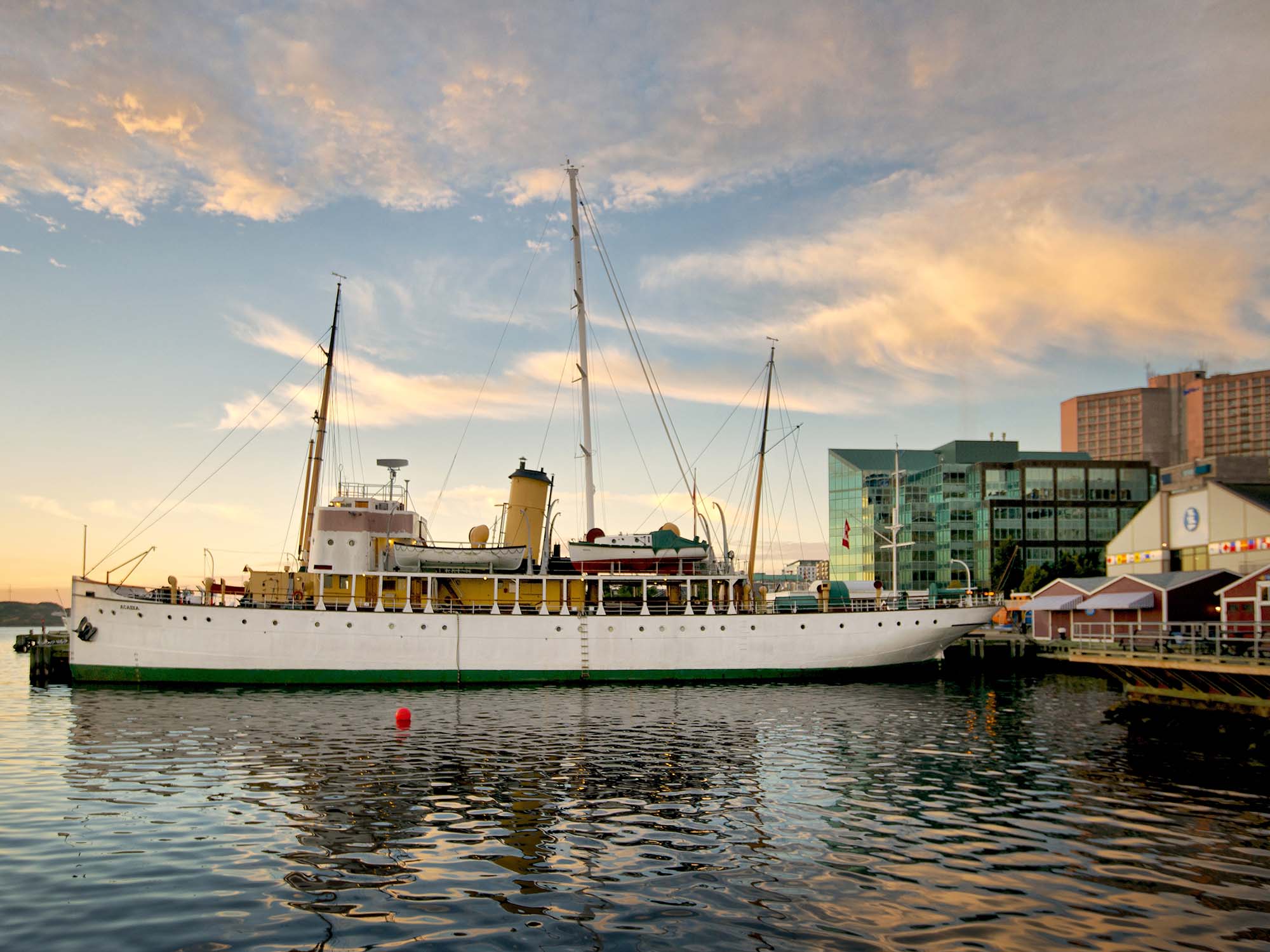
History buffs can immerse themselves in the fascinating cultural, maritime, and military heritage of a town founded in 1749. The Mi’kmaq spent the …


Open year-round

Open year-round


Open year-round

Open year-round
From May 7 to October 31
Open year-round

Open year-round


