Skip to Content
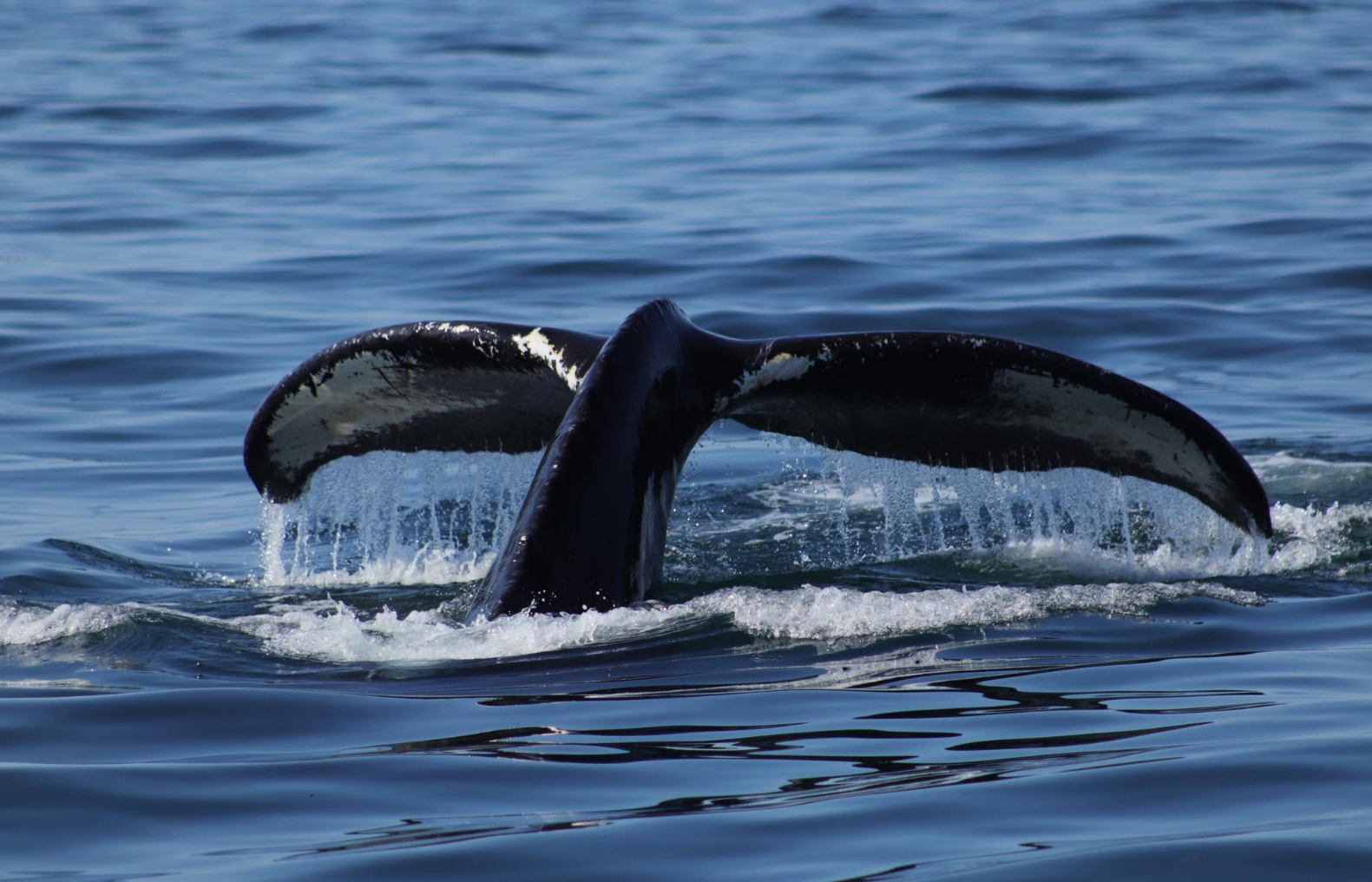
A whale breaching the water in the Bay of Fundy off the coast of Nova Scotia near Brier Island.

Whale Watching

Can you see whales in Nova Scotia?

Yes. Nova Scotia is one of Canada’s premier whale watching destinations, offering opportunities to see humpback, minke, fin, and pilot whales in the Bay of Fundy, Digby Neck, Brier Island, and along the coast of Cape Breton Island. Guided whale watching tours also provide chances to spot dolphins, porpoises, seals, and seabirds while exploring the province’s coastal ecosystems. Whale sightings vary by season, weather, and marine conditions, but summer and early fall are typically the most popular times for marine wildlife viewing. Visitors should always follow responsible wildlife-viewing practices and observe marine animals from a respectful distance.

When is whale watching season in Nova Scotia?

Whale watching season in Nova Scotia typically runs from late May through October, with the best viewing often occurring from June to September. During this time, whales migrate to Nova Scotia’s nutrient-rich waters to feed, giving visitors the opportunity to see humpback, minke, finback, and pilot whales, along with dolphins, seabirds, and other marine wildlife.

Where can you go whale watching in Nova Scotia?

The Bay of Fundy and Cape Breton Island are Nova Scotia’s top whale watching destinations. Popular departure points include Brier Island, Digby Neck, Tiverton, and East Ferry in the Bay of Fundy, as well as Pleasant Bay, Chéticamp, Ingonish, and Cape North along the Cabot Trail. Each offers opportunities to see whales in their natural habitat against spectacular coastal scenery.

Whale Watching

Find Whale Watching Tours

Form filtering for listing posts

Results 12 of 13 posts

Link copied to clipboard.
load more

Tab to play video on popup

A group of whale watchers spot a whale Play video on popup An icon to play video on popup

Related Blogs

Visit Our Blog

Nova Scotia Whale Watching Frequently Asked Questions

The Bay of Fundy and Cape Breton Island are Nova Scotia’s top whale watching destinations. Popular departure points include Brier Island, Digby Neck, Tiverton, and East Ferry in the Bay of Fundy, as well as Pleasant Bay, Chéticamp, Ingonish, and Cape North along the Cabot Trail. Each offers opportunities to see whales in their natural habitat against spectacular coastal scenery.

Visitors may see humpback, minke, fin, and pilot whales in Nova Scotia waters, depending on the location and time of year. Whale watching tours can also offer opportunities to see dolphins, porpoises, seals, seabirds, and other marine wildlife. Sightings vary by season and conditions, so no particular species can be guaranteed.

Yes. Whale watching offers an opportunity to experience Nova Scotia’s marine wildlife while seeing the province’s coastline from the water. The Bay of Fundy and Cape Breton Island are particularly popular, with tours departing from communities such as Brier Island, Digby Neck, Chéticamp, and Pleasant Bay.

Tour length varies by operator, departure point, vessel, and conditions on the water, with many ranging between 2-4 hours in length. Visitors should check the specific tour when booking for departure times, duration, vessel type, and what to bring.

No. Whales are wild animals, so sightings depend on migration patterns, weather, marine conditions, and the location of wildlife on a particular day. Tours operate in areas known for whale activity, but sightings and species cannot be guaranteed. Summer and early fall are the best times to sight whales.

Expect 2–4 hours on the water searching for whales and other marine wildlife while experiencing Nova Scotia’s coastal scenery. Conditions can be cooler and windier offshore than on land, even in summer, and tours may be affected by weather and sea conditions. Bringing warm layers and following your operator’s recommendations will make the trip more comfortable.

Many whale watching tours welcome families, but age restrictions, vessel types, trip lengths, and safety requirements vary by operator. Larger vessels and Zodiac-style tours can provide very different experiences, so families should choose a tour that suits the ages, comfort levels, and mobility needs of everyone travelling.

Businesses and attractions listed on NovaScotia.com must meet Tourism Nova Scotia’s participation requirements before being featured on the website.

No. Destination content on NovaScotia.com is created to help travellers plan their visit and is not sponsored.

A whale breaching the water in the Bay of Fundy off the coast of Nova Scotia near Brier Island.

Tag your travel photos to be featured

Back to top