
Mavillette Beach Provincial Park
From May 17 to October 14
Yarmouth & Acadian Shores, Mavillette

Yes. Nova Scotia offers excellent stargazing thanks to its dark skies, low light pollution, and designated dark sky destinations, including the Acadian Skies & Mi’kmaq Lands Starlight Preserve and the province’s Dark Sky Preserve. Visitors can experience views of the Milky Way, constellations, meteor showers, and other celestial events from remote beaches, coastal lookoffs, wilderness areas, and unique accommodations throughout the province. Weather and cloud cover can affect visibility, so checking conditions before heading out is recommended.
Some of the best stargazing locations in Nova Scotia include the Acadian Skies & Mi’kmaq Lands Starlight Preserve, Kejimkujik National Park and National Historic Site, the Deep Sky Eye Observatory, and Trout Point Lodge, the world’s first certified Starlight Hotel. Remote beaches, coastal lookoffs, and wilderness areas throughout the province also provide excellent opportunities to view the Milky Way, constellations, and meteor showers.
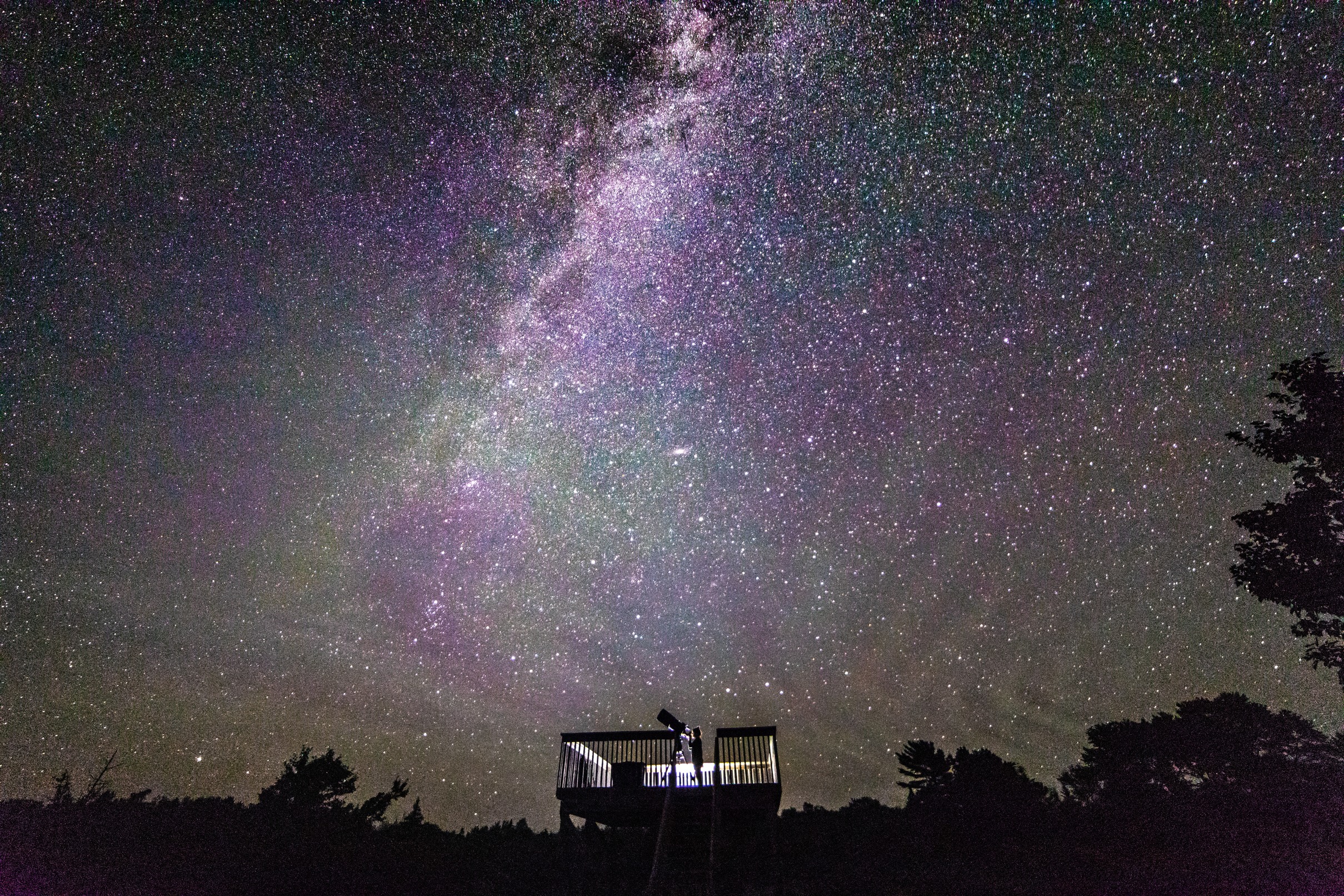
Stargazing is possible year-round in Nova Scotia, but clear, moonless nights offer the best viewing conditions. Fall, winter, and early spring often bring longer nights and excellent visibility, while summer is popular for guided astronomy programs and dark-sky experiences. Some guided stargazing experiences operate seasonally, so it’s worth checking dates in advance.


From May 17 to October 14

Open seasonally (June, July, August, September, October)

Open year-round

From May 17 to October 14

Open year-round


Open year-round

From May 15 to October 31

From June 6 to September 21

From May 15 to October 12

Open year-round
.webp) Arts & Culture • Overnight Stay • Relaxation • Romance
Arts & Culture • Overnight Stay • Relaxation • Romance Connect in nature on a two-night dome or cottage stay with private hot tub. Enjoy a local breakfast box for two and create your own glass art piece.
 Food & Drink • Relaxation • Romance
 Soak in the views from your private outdoor hot tub. Relax by the fireplace, stargaze in the Zen loft, and indulge in local farm-to-table meals.
 Family • Guided Tours • Hands-on Learning
 Discover the vast and beautiful universe from the dark skies of Quinan during a 2 hour guided tour of the night sky at Deep Sky Eye Observatory.
From May 15 to October 31

Open seasonally (May, June, July, August, September, October, November)

Open year-round


From May 1 to October 31

Open year-round
From May 15 to October 12

From May 7 to November 15
Open year-round
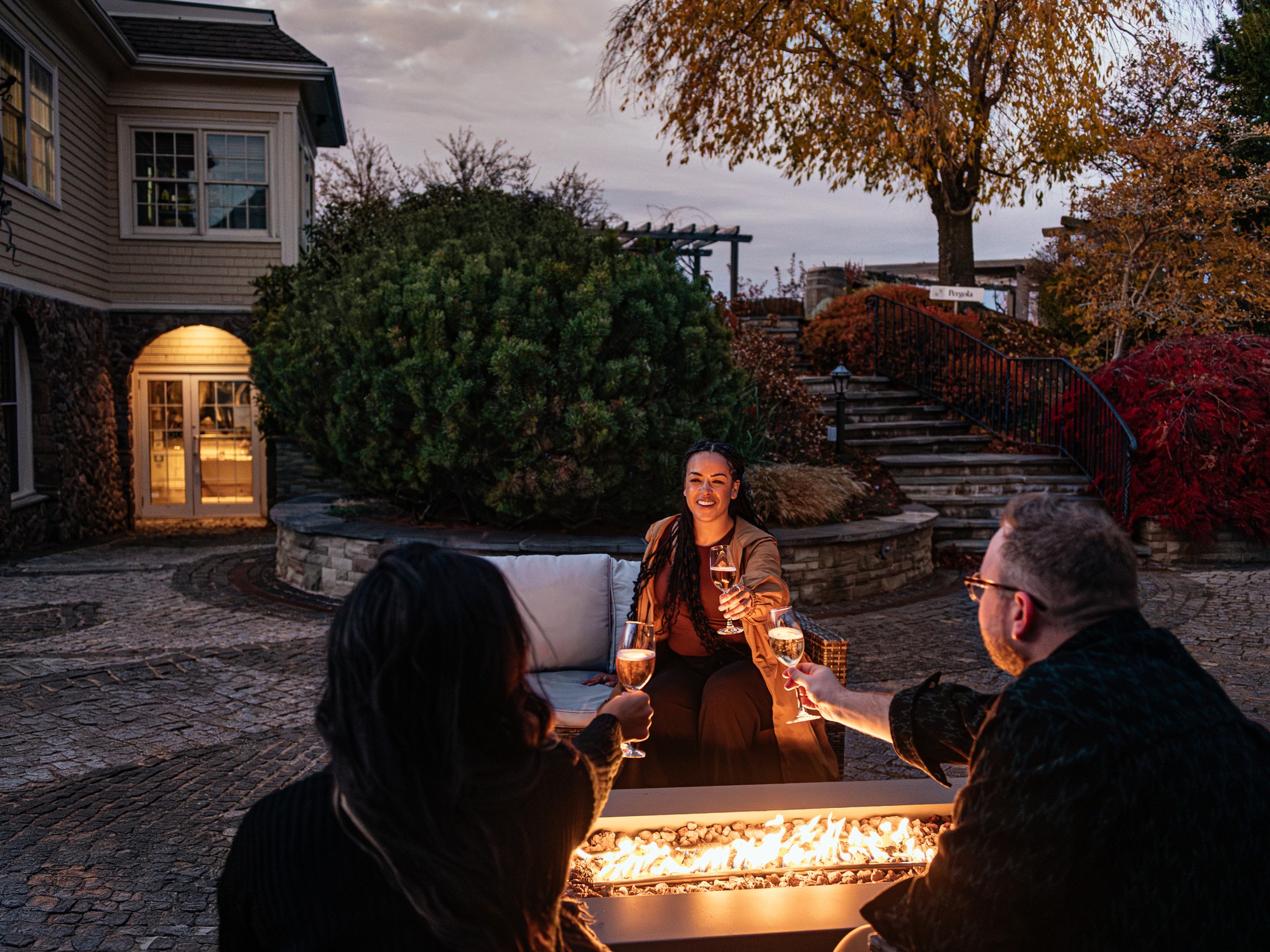
Your next great stay is here. Add scenic oceanfront rooms, swoon-worthy vineyard stays, or glamping domes made for stargazing to your playlist.
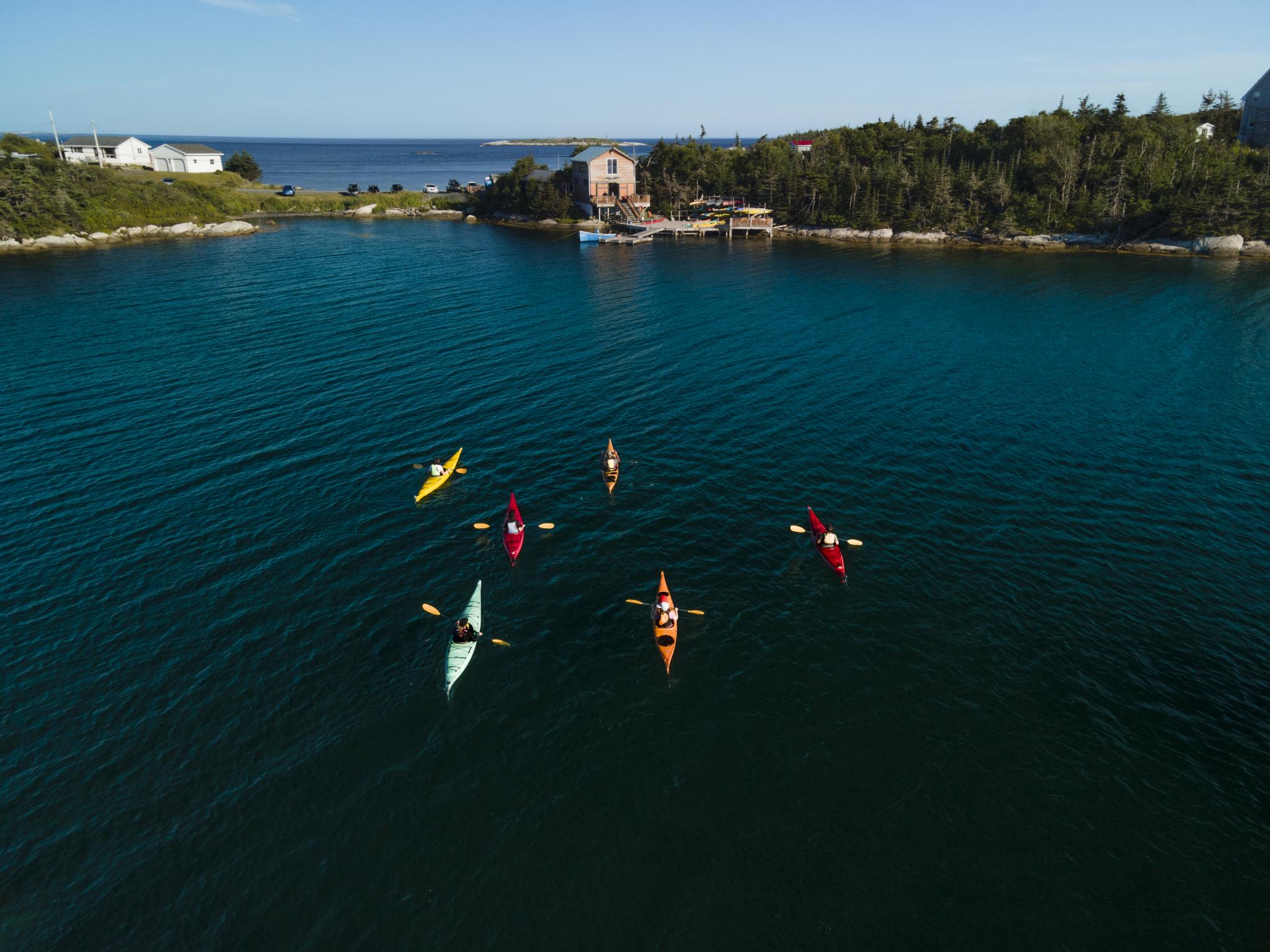
Nova Scotia is filled with opportunities to experience vibrant cultures, rich history, and stunning natural landscapes, with sustainability top of …

Nova Scotia is famous for our showstoppers like the Cabot Trail, Peggy’s Cove, lively waterfronts, and iconic coastal views. But beyond the bucket-…
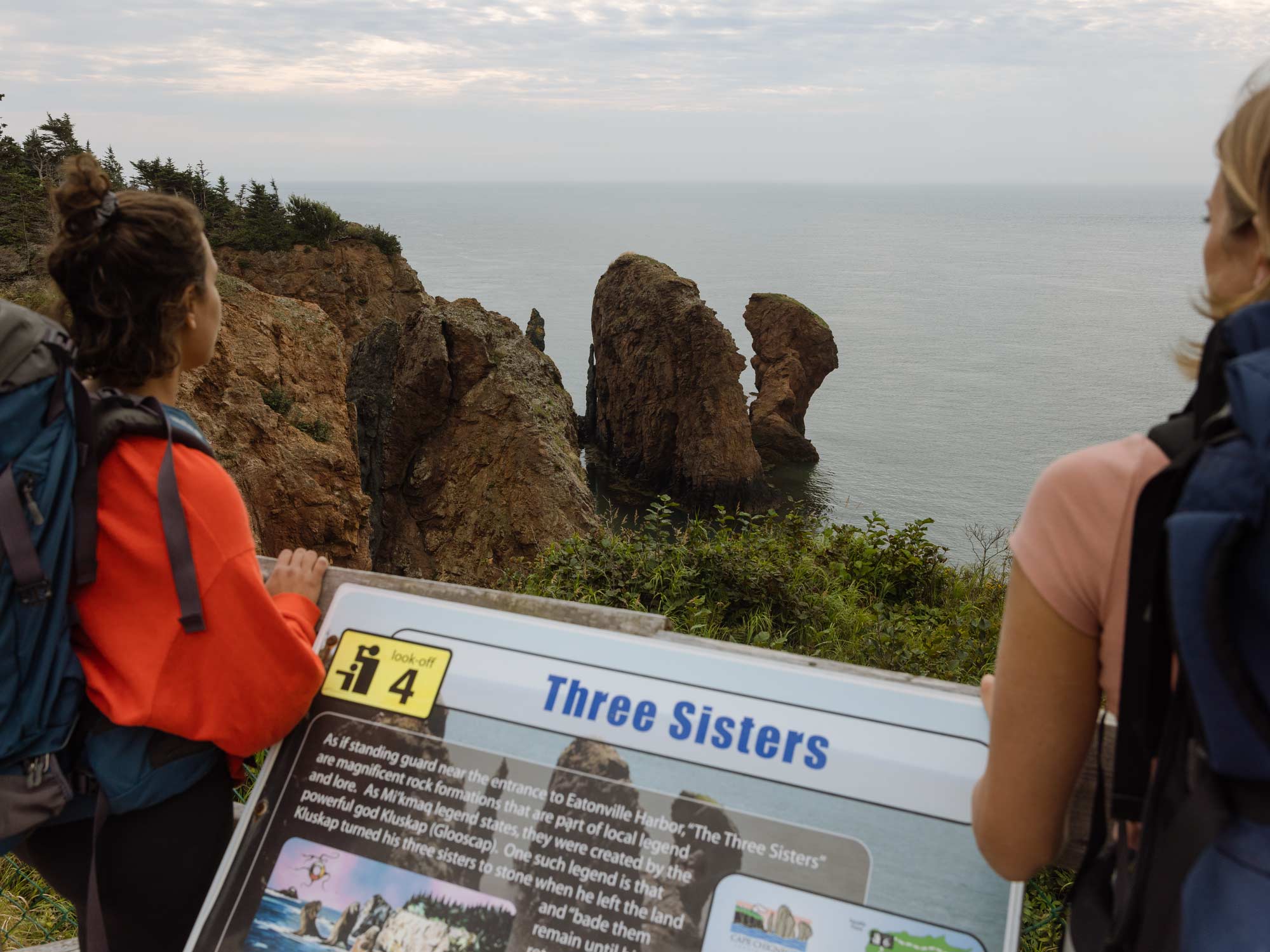
You’ve asked and we’ve compiled some of the most-asked questions that our tourism colleagues receive via email, phone and in person to help you pla…

The Acadian Skies & Mi’kmaq Lands, located with the Yarmouth & Acadian Shores region in southwestern Nova Scotia is the first destination in North …

Tag your travel photos to be featured
